

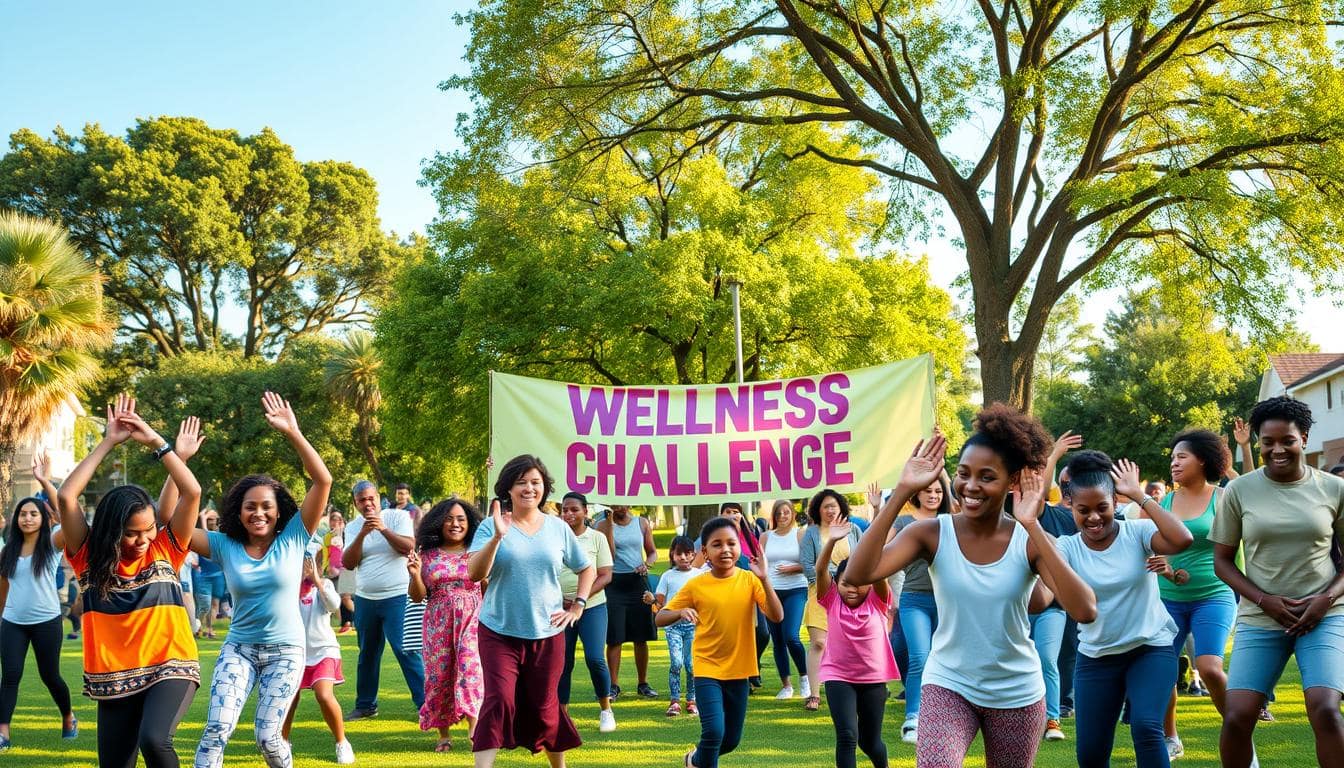
Ever thought of getting your whole street to join a health challenge? More folks want to connect with their community and get healthier. A month-long program can turn good ideas into lasting habits.
Working on health together has big benefits. You get accountability and motivation from shared goals. Plus, you build stronger social ties while aiming for a common goal.
A planned approach is key. Ready-to-use templates make it easy to organize. Adding fun prizes adds excitement and friendly competition.
This guide has everything you need for a successful local initiative. We’ll show you a step-by-step plan, customizable sheets, and reward ideas to get your community excited.
Choosing Challenge Pillars (Move, Fuel, Sleep)
Before starting your community health project, it’s key to pick its core areas: Move, Fuel, and Sleep. These three are the base of a 30-day wellness challenge for your neighborhood. They guide participants and make sure the program covers all aspects of health.
Wellness challenges succeed with clear, measurable goals. The Move, Fuel, Sleep plan gives that. Each part focuses on a health area but works together for a full health boost.
The Move pillar is about getting active. This includes walking, running, or any activity that gets your heart rate up. Many challenges aim for 10,000 steps a day.
Being active is good for your heart and mood. It also brings neighbors together. Make sure the goals are reachable for everyone.
The Fuel pillar is about eating right and staying hydrated. Eating healthy and drinking water gives you energy for activities. It’s key for your overall health.
Hydration challenges ask you to track your water. Nutrition challenges might be about eating more veggies or less processed food. These small steps can lead to big, lasting changes.
The Sleep pillar is all about rest and recovery. Good sleep is vital for fixing your body and mind. It helps you do better in other areas of health.
Sleep challenges might track how many hours you sleep or help you set a bedtime routine. Getting enough rest is essential for success in other health areas. It completes the wellness circle.
Real groups have made successful programs using these pillars. Below is a table showing how different groups set up their wellness plans.
| Pillar | Challenge Name | Organization | Key Focus |
|---|---|---|---|
| Move | 10,000 Steps Challenge | Badger Meter | Daily step tracking and goals |
| Fuel | Hydration Challenge | City of Alpharetta | Water intake and healthy drinking habits |
| Sleep | 30 for 30 Challenge | Guidewire | 30 minutes of activity for 30 days |
| Move & Fuel | Guidewire Go the Extra Mile | Guidewire | Combined activity and nutrition tracking |
These examples show how to tailor pillars for different groups. A neighborhood challenge might mix elements from several plans. The main thing is to pick pillars that fit your group.
Free templates based on these successful challenges are available. They help organizers track progress easily. They save time and make sure your challenge follows tested formats.
The three pillars make a balanced, doable program. Move focuses on physical activity, Fuel on nutrition, and Sleep on rest. Together, they support total well-being without being too much.
When planning your neighborhood step challenge, think about how these pillars work together. Being active boosts your need for water. Eating well helps you sleep better. Good sleep makes you perform better in activities. This connected approach leads to the best outcomes.
Registration and Teams
Before we start counting steps or drinking water, we need a simple sign-up and a plan for team building.
Registration should be easy for everyone. Use online forms like Google Forms or a community app. Also, have paper flyers at places like the library or coffee shop. This way, everyone can join, tech or no tech.
When neighbors team up, it gets exciting. Teams add motivation and a bit of friendly competition. Everyone, no matter their fitness level, feels important.
There are many ways to set up teams. Look at corporate challenges for ideas, like the “Mitchell & Ness 30 Day Team Step Challenge” or “Waste Management – Team Move the Chains.”
- Street or Block Teams: Neighbors team up. It builds local bonds and makes it easy to check in.
- Family & Household Groups: Great for getting all ages involved. It makes healthy habits a family activity.
- Interest-Based Squads: Teams based on interests, like a “Morning Walkers Club” or “Yoga Enthuasiasts.” It connects people with similar passions.
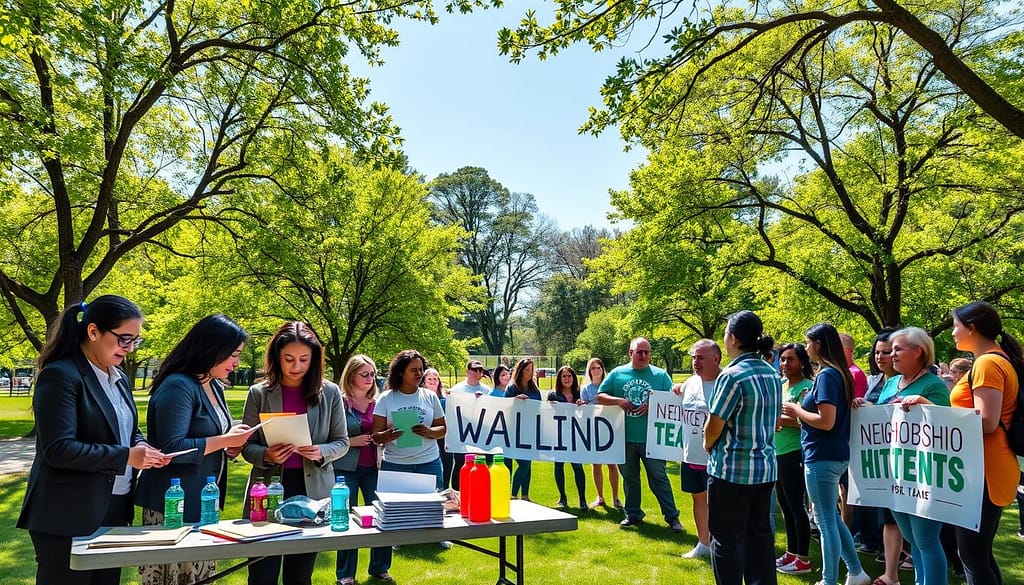
Make teams inclusive. Reward everyone for their effort, not just the top ones. For example, a team gets points for every member who logs an activity each day. This encourages everyone to stay active.
Encourage creative team names. Teams could be “The Hydration Heroes” or “The Wellspring Walkers.” You could even have a team goal for collective water intake. This makes staying hydrated a fun team effort.
Getting registration and teams right sets a positive tone. It creates a supportive environment for the whole 30 days. When people feel connected, they’re more likely to stay engaged and celebrate each other’s wins.
Daily Prompts and Leaderboards
Setting up pillars and teams gives structure. But it’s the daily actions that make a challenge real. This part talks about the daily prompts and leaderboards that drive progress.
Good daily prompts are clear, doable, and match your wellness pillars. Instead of vague advice, offer specific challenges. For example, “Take a 10-minute walk after dinner” for movement, “Swap one sugary drink for water today” for nutrition, or “Power down screens 30 minutes before bed” for sleep. These small steps build momentum without feeling too much.
A simple habit tracker is key for daily accountability. It can be a chart, a digital document, or an app. Logging your actions turns goals into real streaks.
Using a habit tracker does more than track data. It shows your successes visually. This makes it easier to see patterns and stay committed.
This tracker feeds into your leaderboards, making them more than just step counts. A system that celebrates different achievements keeps everyone motivated.
Recognizing Diverse Forms of Success
Make your leaderboards show various successes:
- Most Consistent: Rewards those with the longest streak of daily prompts. It values dedication over performance.
- Most Improved: Celebrates those showing the biggest positive change. It encourages progress at any level.
- Top Team Hydration (or other pillar-specific metric): Fosters competition in specific wellness areas, like water intake or sleep.
The habit tracker data makes these categories possible. It’s easy to track streaks and weekly totals. This way, everyone feels recognized, whether they drink more water or sleep better.
Update leaderboards often, like every day or two. Show different categories on different days to keep things exciting. This system, powered by daily prompts and a simple tool, keeps everyone engaged and celebrated on their health journey.
Sponsor Prizes and Equity Considerations
Prizes are more than just rewards; they motivate and include everyone in your neighborhood wellness project. A well-thought-out reward plan makes your step challenge exciting and fair for all. It encourages everyone, from the most active to those just starting.
Start with a clear plan and a realistic budget. Local businesses often help with prizes, boosting community spirit. Decide how participants qualify. Will rewards go only to the top step counters? A better approach offers chances for many neighbors.
Don’t just track steps. Use these four creative ways to recognize effort:
- Achievement: Reward top steppers or those who hit personal milestones.
- Teamwork: Incentivize group goals, like the team with the best collective participation.
- Consistency: Celebrate daily or weekly logging, not just total numbers.
- Participation & Engagement: Offer prizes for signing up, attending a group walk, or sharing encouragement.
This mix prevents the challenge from feeling like a competition only for the super-fit. It values showing up as much as stepping up.
Here are prize ideas for a neighborhood setting, sorted by budget. You can mix and match from different categories.
Wellness Prizes (Low Budget)
These items support healthy habits directly. They are perfect for bulk buying.
- Reusable insulated water bottles
- Non-slip yoga mats
- Resistance bands with workout guides
- Packets of herbal tea or healthy snacks
Experiences & Local Love (Medium Budget)
These prizes boost local economy and create memorable moments.
- Gift card to a neighborhood café or restaurant
- Tickets for a family to a local museum or botanical garden
- Sponsorship for a community potluck celebration
- A “wellness night in” basket with a streaming subscription and gourmet popcorn
Recognition & Status (No Cost)
Never underestimate the power of public praise. These cost nothing but mean a lot.
- Feature in the neighborhood newsletter or social media page
- “Wellness Champion” certificate, downloadable and printable
- Dedicated parking spot (with permission) for a month
- Honorary title, like “Mayor of the Morning Walk”

The key is to ensure your prize structure reflects your community’s values. A successful community challenge makes every participant feel seen. By rewarding teamwork, consistency, and enthusiasm, you build a healthier neighborhood for the long term.
Data Privacy and Metrics
A successful wellness challenge is fun and keeps your privacy safe. Sharing health info can be tough, even with neighbors. So, we’re open and only use data that makes the challenge fun for all.
Privacy First: Our Transparent Approach
Your data is yours. For this event, we collect just enough info and are clear about how it’s used. You can choose to voluntarily share your data.
It’s like a website tracking which pages are popular. We see trends, like “50 people logged a walk on Tuesday,” but not who they are. This way, we can show team progress without sharing personal info.
Key Metrics for Community Impact
So, what do we track? These metrics help us celebrate your achievements and show the challenge’s value for next time.
- Total Participants: The number of people involved shows our reach.
- Average Daily Step Count: It measures our group’s activity level.
- Collective Gallons of Water Consumed: It tracks our hydration focus, a key wellness area.
- Overall Habit Completion Rate: It shows how well we do daily prompts.
Seeing your neighborhood drink hundreds of gallons of water or take millions of steps is inspiring. These numbers show our shared effort. They prove the impact of community wellness initiatives and help plan better events next time.
By focusing on group metrics, we keep your privacy safe. This lets everyone support each other and build healthier habits.
Celebration Event and Next Steps
The 30-day neighborhood wellness challenge ends with a shared celebration. This event caps the collective effort.
Host a neighborhood picnic or an awards ceremony. Distribute sponsor prizes. Use recognition ideas like shout-out boards or a “Neighborhood Wellness Hall of Fame.” These non-monetary rewards build community pride.
Review the challenge’s success. Look at the participation metrics and leaderboard data from earlier weeks. Gather feedback through a simple survey using Google Forms or SurveyMonkey.
Plan the next steps to keep momentum. Consider launching a second challenge round. Start a regular weekend walking group. Create a shared community habit tracker to maintain healthy routines.
A shared digital habit tracker helps neighbors stay accountable. It turns a 30-day sprint into lasting neighborhood wellness.