

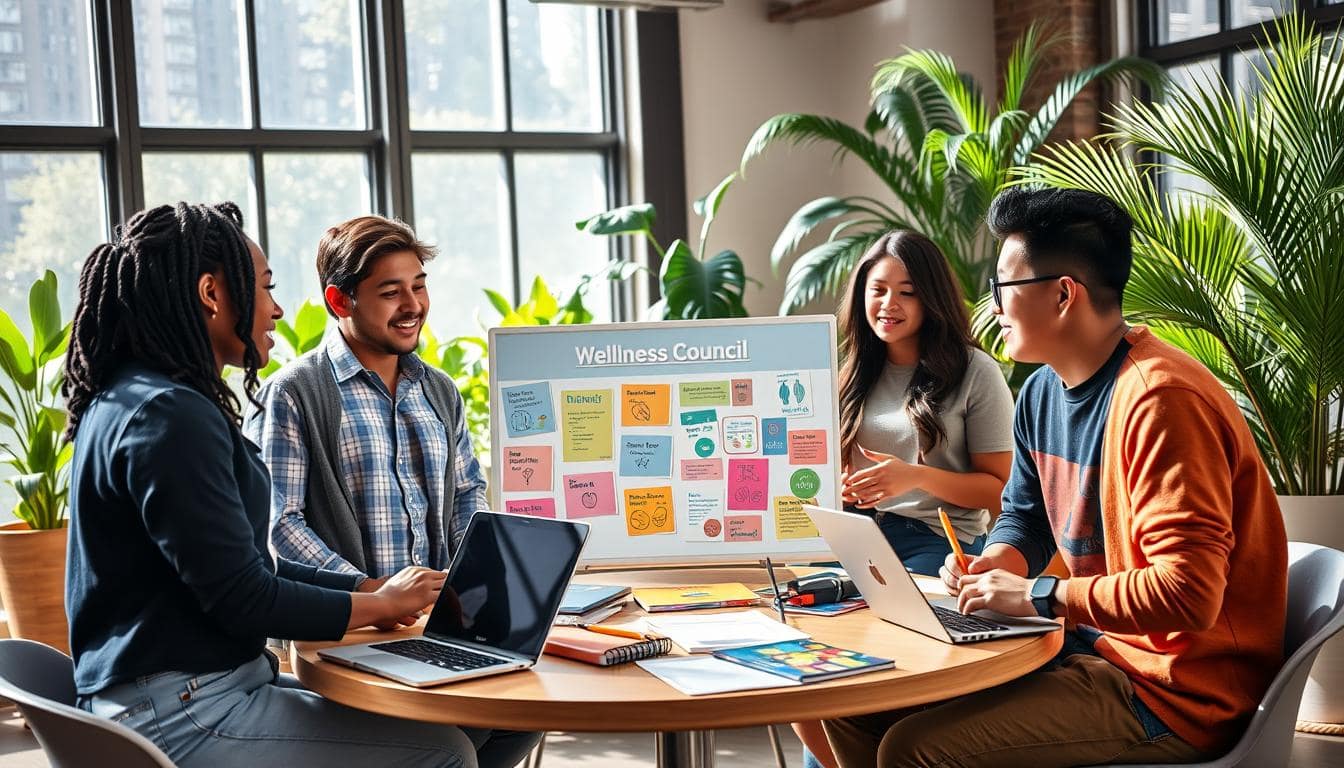
In today’s world, empowering young people is more important than ever. Teen Leadership Councils give teens a chance to lead in wellness and events in schools and communities. They aim for a society where young people are active in social action and seen as key to civic life.
These councils teach teens important skills and values. They learn about integrity, empathy, and civic duty. This helps them become effective leaders. They can then plan wellness events and campaigns that speak to their peers.
The council model covers key areas like recruitment, training, funding, activation, and measuring impact. This article will show how these parts work together for real change. Let’s explore how youth are shaping a better future through civic engagement.
Training in Event Design and Public Speaking
The Teen Leadership Council focuses on event design and public speaking. This training helps young leaders make a big difference in their communities. At the Teen Tech Council Training Day in New York in November 2025, members learned from experts like Ally Millar and Harveer Saini.
Shudufhadzo Musida and Alexis Williams also shared their knowledge. They were all guided by Rachel Hale.
This event showed the quality of mentorship council members receive. The training covers important skills such as:
- Designing event run-of-show documents
- Managing logistics for school-based activations
- Crafting compelling narratives for public speaking engagements
- Learning to moderate panel discussions with confidence
High-level support is key to this training. Governor Kathy Hochul, Secretary Hillary Rodham Clinton, and #HalfTheStory started the Teen Tech Council for New York. This shows they value and want to hear from young people.
Peer mentors play a big role in this training. They help newcomers through workshops. This creates a supportive network where teens can grow together.
Mini‑Grant Process
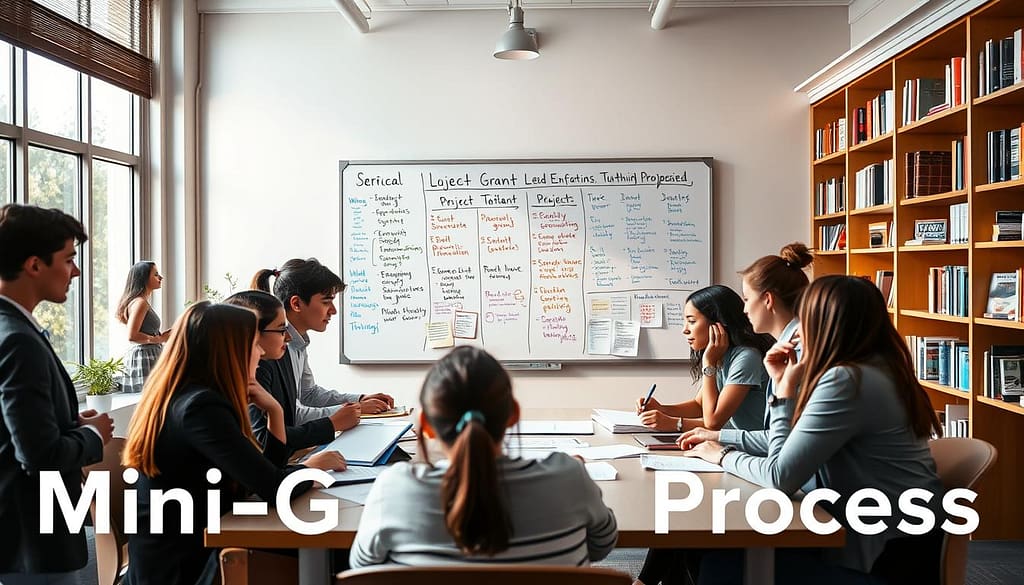
Teens can turn their wellness dreams into real actions through mini-grants. The Teen Leadership Council helps by funding their projects. The #HalfTheStory Phone-Free Fund is a great example of this.
First, councils ask students for project ideas. Then, they check these ideas for creativity, doability, and how well they fit with SEL. If a project is chosen, it gets a micro-grant to make it happen.
Here are some amazing projects from recent winners:
- Abdullah A., 16, Buffalo: Started an after-school club for non-sports students, focusing on digital wellness and engagement.
- Fiona M., 17, Manhattan: Introduced “Craft Carts” to offer healthy stress relief through arts and crafts, helping students cope better.
- Lukas D., 15, Scarsdale: Created a phone-free scavenger hunt with digital cameras to help students connect and make memories.
- Olivia H., 16, Long Island: Set up a detox room for students to relax and recharge, supporting mental health during school.
These projects show how SEL principles are used to help teen mental health. They not only fund ideas but also build a supportive community among young leaders.
Quarterly Activations (mental health week, clean‑ups)
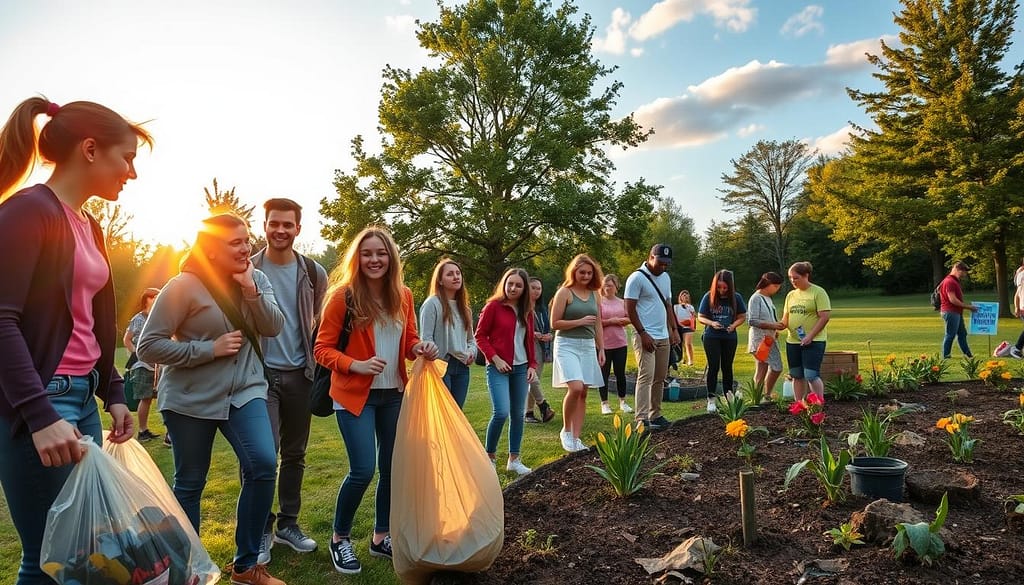
Quarterly events like mental health week and clean-ups boost youth leadership. They create a culture of wellness. These times are key in the school year, letting students get involved in mental health and community service.
Mental health week includes detox rooms, Craft Carts, and digital wellness workshops. These activities help students deal with stress and improve their emotional health. Students love these programs, saying they make school a better place.
Community clean-ups are also important. They show youth leadership in action, making schools and public areas look better. Students feel proud of their work, building a sense of community.
Larissa May wrote in Forbes in January 2026 about phone-free schools. This movement shows how students are leading the way to a healthier school. A video from The Listening Lab in November 2025 shares why these events are important to teens.
Mashable’s July 2025 article talked about screen-free schools. Governor Hochul and Secretary Clinton are pushing for this. This shows how local efforts can impact big policy changes.
Each quarter, councils pick a wellness theme and plan an event. They recruit volunteers through friends. This keeps youth leadership strong and ready to meet new challenges all year.
Measuring Peer Reach
Teen Leadership Councils are key in shaping wellness efforts. They use both numbers and stories to show their impact. They look at who comes to events and what people think about them.
They focus on how teens see digital wellness and mental health. This helps them understand if their work is making a difference.
The #HalfTheStory framework, mentioned in Larissa May’s January 2026 Forbes article, is important. It shows how peer mentors help measure success. These mentors talk to teens after events and ask for their opinions.
They offer a fresh view that adults might miss. Their input is vital for making the data useful and meaningful to teens.
Teens report how they feel before and after joining these programs. This helps show how they’ve grown. It’s not just about numbers; it’s about personal growth.
Media like Mashable and Forbes have covered these councils’ success. They share stories of teens making positive changes. This mix of stories and data shows the councils’ worth.