


Finding friends can be tough, but sober-friendly socials make it easier. These events are safe and welcoming for everyone. They help you make friends and understand each other better.
These gatherings are great for anyone on the recovery journey. They help you build a strong support network. You’ll also learn healthy habits and make positive choices. There are many events to choose from, like hiking or community gatherings.
For example, the National Trails Day Hike led by Sharon is coming up. It’s a five-mile hike for those who want a challenge. It’s a great way to enjoy nature and meet new people.
Partnering with Recovery Orgs
Working with local recovery groups is key to hosting impactful sober events. These partnerships create a supportive network that goes beyond just events. They help people feel part of a community and fight the loneliness that often comes with recovery.
The South Mountain Conservancy is a great example. They organize guided hikes that need pre-registration and a signed waiver. These hikes are safe and help people get some exercise while meeting others in recovery.
Vanderburgh Sober Living in Claremont, New Hampshire, is another valuable partner. They encourage their residents to join events, providing a built-in support system. Including sober living homes in event planning helps organizers reach a community eager to participate.
In places like Long Island, recovery groups and treatment alumni networks team up for sober events. They plan activities like beach cleanups and museum visits. These events are fun and help people connect in a relaxed setting.
When groups work together, they can share resources and promote events without stigma. This approach welcomes everyone, no matter where they are in their recovery. The goal is to find partners who share the mission of promoting wellness and community.
| Organization | Type of Event | Location | Registration Requirements |
|---|---|---|---|
| South Mountain Conservancy | Guided Hikes | New Jersey | Pre-registration, Liability Waiver |
| Vanderburgh Sober Living | Community Gatherings | Claremont, NH | Open to Residents |
| Long Island Recovery Groups | Alcohol-Free Events | Long Island, NY | No Registration Required |
By focusing on these partnerships, event organizers can create engaging and accessible sober events. For more insights on the importance of wellness in recovery, check out why senior wellness matters.

Event Ideas (game nights, hikes, skills workshops)
Creating a variety of stigma-free activities helps people in recovery connect and grow. These events foster social bonds and let people try new things. Here are some fun ideas for sober-friendly gatherings:
- Game Nights: Hosting game nights in recovery homes or community centers is a great idea. It’s a relaxed setting where people can have fun and compete without substances.
- Guided Hikes: Events like the National Trails Day Hike with South Mountain Conservancy are perfect for exploring nature. This 5+ mile hike is a challenge in a supportive group, ensuring safety and friendship.
- Skills Workshops: Workshops in art, cooking, or car maintenance let people learn new skills. These activities boost confidence and help people with similar goals connect.
In Claremont, New Hampshire, there are great places for sober fun. The Sugar River Rail Trail and Maple Lanes bowling alley are perfect spots. The Claremont Savings Bank Community Center also offers pools and fitness classes for more activities.
On Long Island, there are lots of fun activities. You can visit the Montauk Point Lighthouse or bike on the Bethpage Bikeway. These options suit different interests and fitness levels, making sure everyone finds something they enjoy.
The key to these events is that they are free from alcohol and drugs. This makes a safe space for those in recovery to relax and be themselves. By mixing physical, creative, and social events, organizers reach more people in recovery. They help individuals find new, healthy interests.
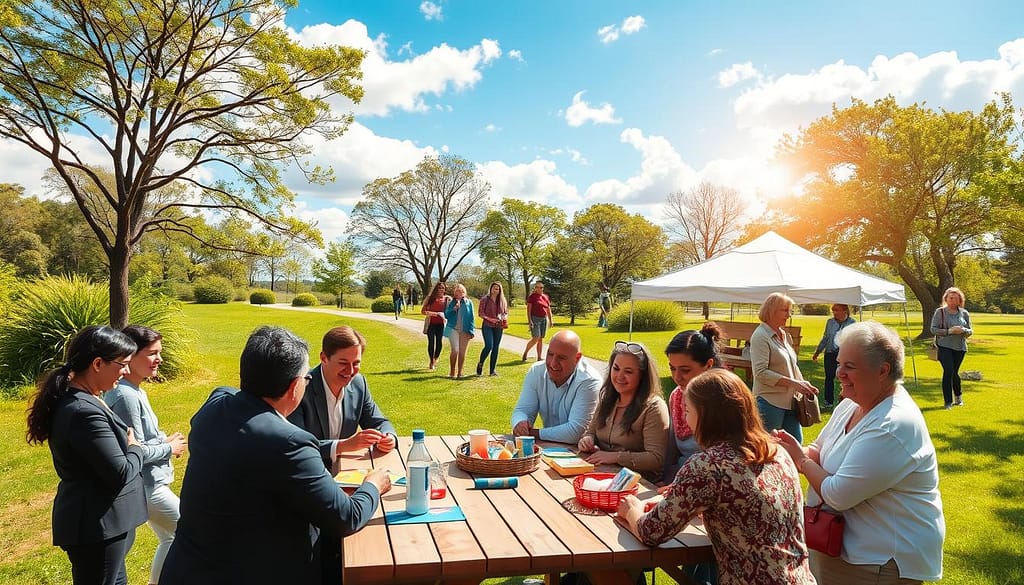
Code of Conduct and Privacy
A strong code of conduct is key for safety at recovery-supportive events. It makes sure everyone feels safe, both physically and emotionally. This lets them open up and form real connections.
Event organizers should look at models like the South Mountain Conservancy. They need to make participants sign a liability waiver. This waiver should explain risks and what behavior is expected. It’s also important to get consent for photos, with an option to opt out for privacy.
Having a health attestation is also vital. It makes sure everyone is healthy enough for activities. A strict cancellation policy keeps the group united and trustworthy.
The code of conduct must clearly say no to:
- Drug and alcohol use
- Harassment of any kind
- Any behavior that could harm someone’s recovery
Privacy is just as important. Use first names only, keep registration data safe, and never share attendee lists without permission. For events off-site, have a plan for leaving and travel with trusted friends for safety.
With these rules in place, events become great tools for recovery support. They become places where people can connect safely, without fear of being exposed or facing relapse triggers.
Resource Tables and Peer Coaches
Adding resource tables and peer coaches to sober events is key. It turns a simple event into a place for real support. A resource table, like the one at the Claremont Savings Bank Community Center, offers vital info.
At these tables, you can find:
- Flyers for upcoming sober events
- Meeting schedules for support groups
- Information on housing and job training programs
- Access to counseling services
Peer coaches are also important. They share their own stories of addiction and recovery. This helps others face challenges or set goals. On Long Island, many centers use peer support workers at events.
For someone new to sobriety, meeting a peer coach can be a game-changer. It can lead to deeper involvement. Organizers should make sure:
- Resource tables are staffed by knowledgeable and empathetic individuals
- Peer coaches are clearly identifiable and approachable
- All interactions respect confidentiality
This way, sober events show that recovery is supported at every step. They become more than just fun. They become part of the care journey.
Measuring Connection and Retention
To make sure sober-friendly socials help the recovery community, we need to measure their impact. We can track things like how many people show up and come back. Surveys after events can tell us if people feel supported and welcome.
Organizers should look at if people start going to support groups or get peer coaches. The Claremont guide shows the value of regular events. Studies from Long Island say community ties are key to staying sober.
Surveys should be anonymous to get honest feedback. They should ask if people felt safe, made friends, and want to come back. This feedback helps improve events and shows that these socials are worth the investment.
By measuring connection and retention, we turn good ideas into proven practices. This makes sure every event helps people stay sober for the long term. For more on recovery support, check out this resource.