

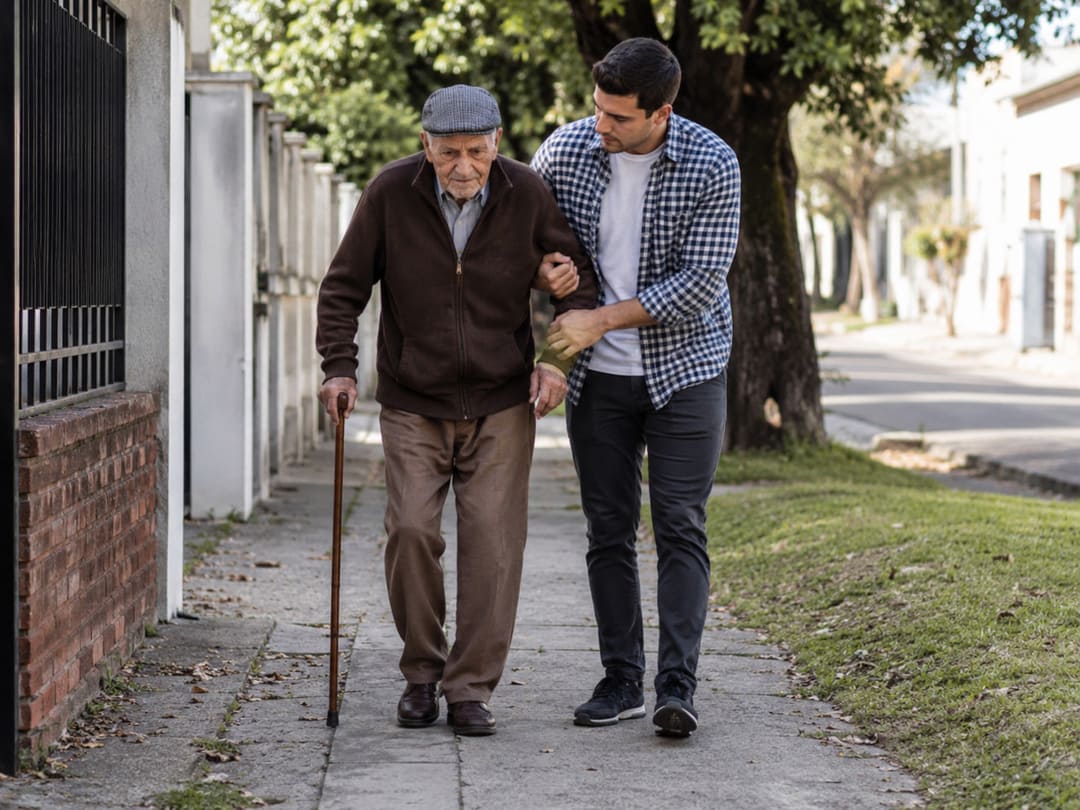
Fall prevention workshops often begin with a warning and end with a handout. That is not enough. A useful workshop helps older adults test balance safely, spot hazards they have stopped noticing, and leave with a plan that protects both movement and confidence.
For community groups developing broader healthy aging programs, the strongest model is not a one-time lecture. It is a hands-on safety lab connecting physical ability, medications, eyesight, footwear, home design, caregiver support, and clinical follow-up.
The CDC’s older-adult fall resources note that more than one in four older adults report falling each year and about 41,000 die as a result of a fall. The practical lesson is that fall risk is usually built from several small pressures, and workshops should be designed to find the combination.
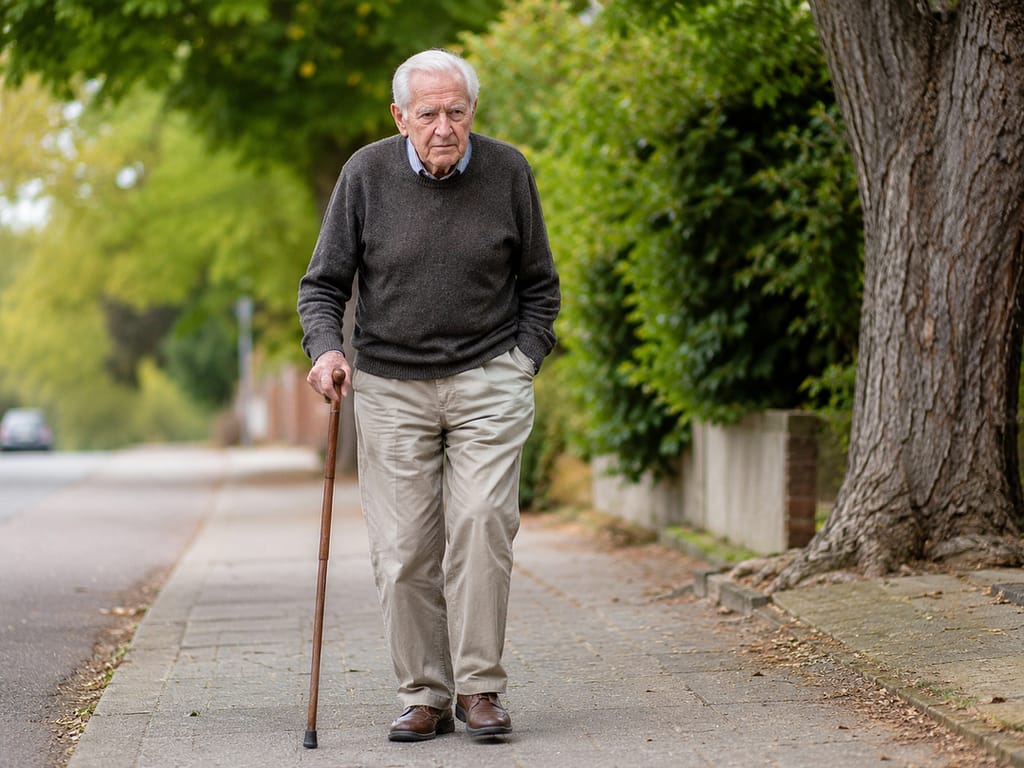
Falls Are Rarely Caused by One Problem
A loose rug may look like the culprit, but falls rarely have a single cause. A participant may also be wearing worn slippers, adjusting to a new blood-pressure medicine, struggling with low light, or moving less because a previous stumble damaged confidence.
That makes a generic “be careful” message nearly useless. Effective workshops help participants connect what happens in their bodies with what happens in their homes. They also avoid presenting falling as an unavoidable part of aging, which can make people feel powerless before the practical work begins.
Start with private questions: Have you fallen or nearly fallen? Do you feel unsteady when turning? Have you stopped doing something because you fear falling? The answers should guide the day. A workshop is not a public test of independence; it is a way to identify modifiable risks.
Build the Workshop as a Six-Station Safety Lab
The room should function like a safety lab, not lecture. Small stations let people practice, ask specific questions, and move at their own pace. They also help facilitators notice when someone needs a private conversation or referral.
| Workshop station | What participants do | Practical next step |
|---|---|---|
| Balance and mobility | Try supervised chair rises, turns, and walking tasks | Choose a safe exercise or request an assessment |
| Feet and footwear | Compare supportive shoes with loose, worn, or slippery options | Replace unsafe footwear or arrange foot care |
| Medications and dizziness | Review side-effect questions and prepare a medication list | Request a medication review |
| Vision and lighting | Test contrast, glare, and low-light examples | Schedule an eye check or improve lighting |
| Home hazards | Inspect a mock room for rugs, cords, clutter, and bathroom risks | Complete a room-by-room home check |
| Caregiver and referrals | Practice supportive conversations and review local services | Agree on one action and professional contact |
The stations should build toward one personal action plan. Removing one hallway hazard, booking a medication review, or joining a suitable balance class is more valuable than carrying home a folder of advice that never becomes action. Evidence-based community programs commonly combine balance improvement, home-hazard reduction, and confidence-building rather than treating each risk separately.
Fall Prevention Workshops Need Better Balance Checks
Balance checks should open a conversation, not produce an embarrassing score. Use trained facilitators, stable supports, clear stopping rules, and seated alternatives. Participants who use canes or walkers should be assessed with their usual device.
The goal is to observe everyday function: standing from a chair, changing direction, stepping around an obstacle, or walking while dividing attention. Pain, dizziness, unusual fatigue, or visible instability should end the activity and move the conversation toward professional evaluation.
The U.S. Preventive Services Task Force supports exercise-based prevention guidance for community-dwelling adults 65 and older at increased risk, while recommending that broader multifactorial interventions be individualized. Group education can reveal risk, but exercise, supervision, and referrals should fit the person.
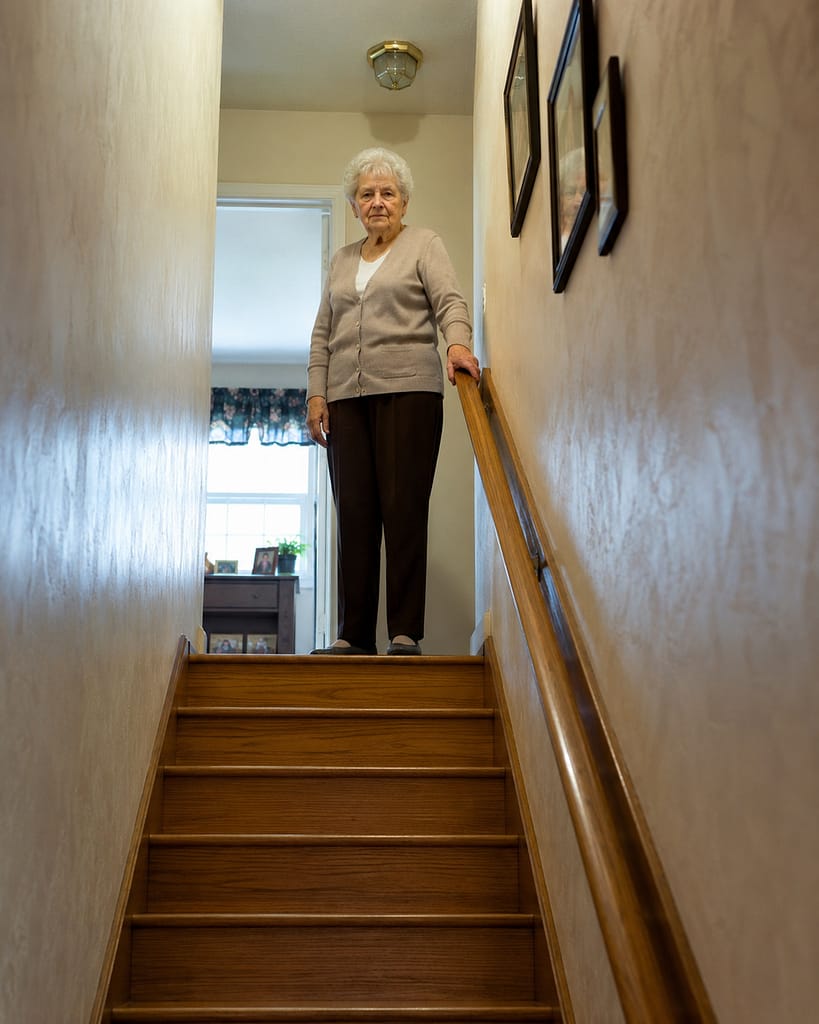
Home Hazards Need a Demonstration, Not a Checklist
A printed checklist is easy to ignore because familiar rooms stop looking risky. Build a mock living area with a curled rug edge, a cord across a pathway, poor bedside lighting, a low pet bowl, and an awkward route to the bathroom. Ask participants to find the hazards and rank the fixes.
The demonstration should include real tradeoffs. Removing a beloved rug may be unacceptable, but securing it or changing the walking route may be possible. Installing a grab bar is not the same as adding a towel rack, and moving furniture can create a safer path without making a home feel clinical.
Caregivers need their own instruction. Their role is to support choices, not take over the home. Respect protects participation: older adults are more likely to accept changes when they understand the reason, choose the priority, and keep control. An occupational therapist can help when safety changes must fit bathing, cooking, dressing, or other daily routines.
The Referral Path Is the Program’s Pressure Point
A workshop becomes risky when it identifies a problem but offers no next step. Organizers should establish clear referral lanes before registration: primary care for unexplained symptoms, pharmacists or prescribing clinicians for medication concerns, eye-care professionals for vision changes, physical therapists for gait and balance, and occupational therapists for home routines and barriers.
Facilitators also need an escalation policy. A recent fall with injury, repeated falls, sudden weakness, fainting, severe dizziness, or a rapid change in walking ability should not be handled as a routine class issue. Participants should be directed toward timely medical evaluation, with emergency help used for urgent symptoms.
Follow-up is where programs lose momentum. Contact participants within a few weeks and ask what action they completed, what blocked them, and whether the referral connected. Track meaningful signals: medication reviews scheduled, unsafe footwear replaced, lighting improved, therapy appointments made, and confidence returning to daily movement.
Confidence Is the Outcome That Keeps Working
The best fall prevention workshops do more than teach people how not to fall. They help older adults keep walking, shopping, visiting friends, and moving through their homes without letting fear shrink their lives.
That is the standard for fall prevention workshops: not a crowded room or a stack of handouts, but safer choices that continue after the chairs are folded away. Balance, home safety, clinical review, and confidence belong in the same program because independence depends on all four.