
Tribal community wellness is strongest when health education respects culture, local leadership, family roles, and the lived experience of each community. The Great Plains Tribal Health Initiative examples in the research notes point toward a practical lesson: public health programs may be easier to understand and use when they are connected to identity, relationships, food practices, movement, youth leadership, and elder support rather than presented as isolated health instructions.
This is general health education, not medical advice. Community programs can support learning and connection, but they do not replace clinical evaluation, diagnosis, treatment planning, or emergency care. Health needs can vary by age, pregnancy status, disability, medication use, chronic conditions, and personal goals.
Why Tribal Community Wellness Starts With Culture
Culture Is Not An Add-On
Culture-centered health work is sometimes described as if it were a soft feature added after the medical facts are settled. The CDC’s Healthy Tribes page frames the issue differently, describing a culture-first, holistic approach that connects physical, mental, emotional, and spiritual well-being with cultural connectedness as part of health and wellness CDC Healthy Tribes. That framing matters because health information often travels through trust before it changes behavior.
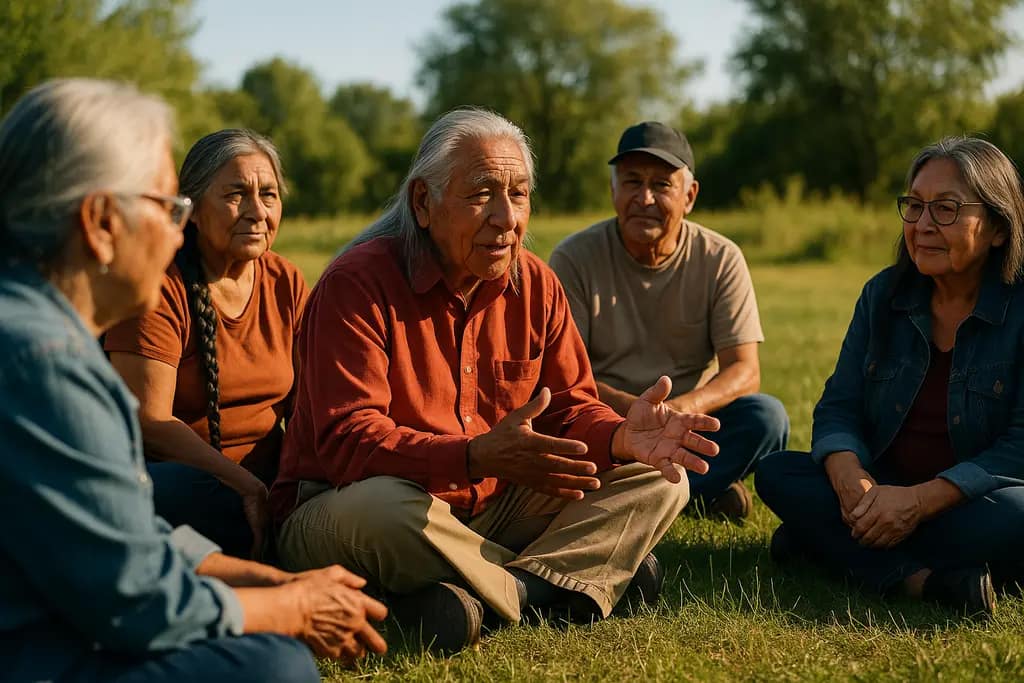
For Native communities in the Great Plains, a program that includes elders, youth, cultural mentors, local organizations, and community health staff may be better positioned to hear what people are already experiencing. A cooking class, movement session, school program, or elder circle can carry more than a single health message. It can also create space for questions, support, and respectful correction when misinformation appears.
Tribal Community Wellness And Health Literacy
Health literacy is not only an individual skill. It is also shaped by how information is offered. A pamphlet about diabetes risk may be accurate, yet still fail if it does not match the language, priorities, or concerns of the people receiving it. A community-based session can slow the pace, invite questions, and connect general public health concepts to daily choices without blaming individuals for health conditions.
The research notes describe the Good Health and Wellness Program as serving 18 tribal nations across South Dakota, North Dakota, Nebraska, and Iowa, with a focus on community-driven health solutions and chronic disease risk factors such as diabetes, heart disease, obesity, and hypertension. Those topics require caution. No class or group activity should be described as a cure or guaranteed way to prevent disease. A safer interpretation is that culturally grounded education may support awareness, connection, and earlier conversations with qualified health professionals.
What Great Plains Examples Suggest
Food And Movement Can Carry Shared Meaning
The research notes report that the Santee Health and Wellness Center’s Culinary, Health Education, and Fitness Program conducted 38 healthy cooking classes in the past year, including 20 for youth and 18 for adults. A program like this may support practical learning because food education can be specific, social, and repeatable. Participants may learn how to ask about ingredients, preparation methods, budget limits, and family preferences without turning nutrition into a rigid rulebook.
Movement programs can also be more meaningful when they are culturally connected. The notes describe traditional dance classes at Spirit Lake Nation that teach youth physical activity along with cultural knowledge, including men’s traditional and fancy dance, women’s traditional dance, jingle dress dancing, and fancy shawl dancing. That kind of program should not be framed as a medical treatment. It may, however, offer a community setting where movement, identity, mentoring, and belonging are present at the same time.
Youth And Elder Programs Need Different Measures Of Success
The research notes describe the Keya Foundation’s Natural Helpers Program as reporting increased self-confidence and reduced social anxiety among sixth-grade participants. They also describe an eight-week Mind Body Movement program through Oyate Health Center’s Elders Connection Circle, with reported improvement in depression and anxiety levels among participants. These reports are encouraging, but they should be read cautiously unless more detail is available about methods, comparison groups, and follow-up.
That caution does not make the examples less useful. It simply keeps the claims in proportion. Youth leadership programs may support confidence and school connection. Elder circles may reduce isolation and encourage routine, gentle activity. Neither should be treated as a substitute for behavioral health care when someone needs professional support. In a strong tribal community wellness model, peer connection and clinical care can work near each other without becoming the same thing.
- For youth: Programs may focus on confidence, belonging, mentoring, and safe ways to ask for help.
- For adults: Classes may support practical learning about food, activity, stress, and questions for clinicians.
- For elders: Circles may support connection, gentle movement, and respect for cultural knowledge.
- For families: Community events may make health education less isolating and easier to discuss at home.
Access, Trust, And Program Boundaries
Facilities Are Part Of The Health Picture
Community wellness work cannot be separated from access to care. The Indian Health Service Great Plains Area page states that the area operates seven hospitals, eight health centers, and several smaller health stations and satellite clinics, serving approximately 130,000 Native Americans IHS Great Plains Area. Those facilities are one part of a larger system that may include public health staff, tribal programs, schools, community organizations, families, and cultural leaders.
Access is not only about whether a building exists. It can include transportation, appointment availability, language, trust, past experiences, privacy concerns, and whether people feel respected when they ask questions. Community programs may help by preparing people to use care more confidently, but they should not be expected to solve every structural barrier on their own.
Support Should Not Drift Into Medical Direction
A cooking class can teach general nutrition concepts. A walking group can offer encouragement. A dance program can create a welcoming place for movement. A support circle can reduce isolation. The boundary is that these programs should not diagnose symptoms, replace a treatment plan, recommend medication changes, or promise specific health outcomes.
This boundary protects trust. If a participant hears that one activity will fix diabetes risk, depression, anxiety, pain, or weight, the message has gone too far. Evidence-based community education works better when it keeps claims modest: a program may support learning, connection, physical activity, food skills, or readiness to talk with a clinician. That kind of careful language is especially needed in tribal community wellness because trust is built slowly and can be damaged by overstated promises.
Readers interested in comparing community health education approaches might benefit from exploring discussions around related wellness components as detailed on a related site in the same network. Such resources should maintain the same standard: health content ought to prompt informed questions, without replacing professional care.
Tribal Community Wellness Questions For Care Teams
Questions That Connect Community And Clinical Care
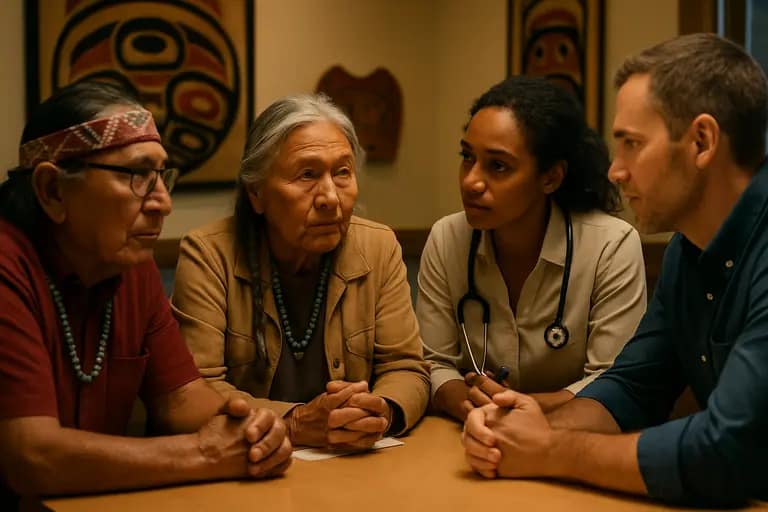
The Great Plains examples suggest that tribal community wellness can be practical, relational, and culture-centered. The next step for many people is not to choose between community support and clinical care, but to ask how the two can fit together safely. A person attending a cooking class, dance session, screening event, youth program, or elder circle may want to bring what they learn into a routine health visit.
Useful questions for a clinician may include: How do my age, family history, medications, pregnancy status, or current health conditions affect my nutrition and activity choices? Are there symptoms that should be checked before I start a new movement activity? What screenings are recommended for someone like me? If a community program raises concerns about diabetes risk, blood pressure, mood, or anxiety, what follow-up is appropriate?
Program leaders may also benefit from asking clinicians and public health partners about referral pathways, privacy expectations, emergency procedures, and how to discuss risk without stigma. This is especially relevant for screenings, youth behavioral health discussions, and elder movement programs, where a supportive setting can uncover needs that require professional evaluation.
Handled carefully, tribal community wellness does not ask culture to serve as decoration for public health. It treats culture, connection, and education as central parts of how people understand health information and decide whether to seek care. The safest message is also the most respectful one: community programs may support wellness, but personal medical decisions should be discussed with a qualified healthcare professional who understands the individual’s health history and goals.