


CDC food service guidelines offer a practical reference point for community centers, worksites, schools, parks, charitable food programs, and other public-facing settings that sell, serve, or distribute food. The recent updates described in federal guidance are not a prescription for any one person’s diet. They are better understood as planning tools that may help organizations create food environments where healthier choices are easier to identify, access, and discuss.
As a community activities coordinator, I tend to read these updates through a simple question: what can local groups use without overstating the evidence? Food access, school meals, workplace cafeterias, vending choices, and food safety procedures all affect daily routines. Still, individual nutrition needs can vary by age, health status, medication use, pregnancy, culture, income, and personal preference. Community planning should support health literacy while leaving personal medical questions to qualified clinicians.
CDC Food Service Guidelines As A Planning Tool
CDC Food Service Guidelines And The August 2026 Toolkit Update
On August 18, 2026, CDC updated its Food Service Guidelines Implementation Toolkit, which describes “Building Blocks” strategies for healthier food and beverage access in worksites and public facility food service settings. The toolkit states that its standards align with the 2015-2020 Dietary Guidelines for Americans and are under review for alignment with the 2025-2030 Dietary Guidelines for Americans, according to the CDC toolkit.
For local wellness teams, the value is less about creating a perfect menu and more about creating a repeatable process. A recreation center, library café, senior program, or public agency can look at procurement language, beverage placement, contract terms, food labeling, and staff communication. Those steps may support healthier defaults, but they should be evaluated in context. Cost, kitchen capacity, vendor availability, and cultural fit can shape what is practical.
What Community Partners Can Review First
The August 18, 2026 CDC strategy update described roles for states and communities in settings where food is sold, served, or distributed, including worksites, parks, and charitable food systems. It also identified policy models, wellness contracts, procurement processes, culturally appropriate communications, and behavioral design as priority areas. Those details point toward ordinary administrative choices rather than dramatic program changes.
A cautious starting point is to map where food decisions are already being made. Who writes the vendor contract? Who decides what goes in vending machines? Who approves foods at youth events? Who reviews donated food procedures? The answers can help a coalition find realistic points of influence without implying that a single food service policy can solve broader nutrition or access concerns.
School Meals, Equity, And Local Nutrition Security
Healthy School Meals For All In The 2026 Update
On August 27, 2026, the Community Preventive Services Task Force released an updated finding statement on Healthy School Meals for All. The statement described school meals as relevant to nutrition security and noted that the school nutrition environment influences health equity, as reported in the updated CDC-hosted statement.
For community wellness groups, that finding may support closer coordination among schools, family resource centers, after-school programs, and local food access partners. It does not mean every child has the same dietary need, and it does not replace caregiver conversations with pediatric clinicians or registered dietitians when there are allergies, growth concerns, medical diets, or feeding challenges.
The practical opportunity is health literacy. Families often have questions about meal patterns, food labels, breakfast access, and how school food connects with meals at home. A community forum can help families understand the purpose of school nutrition programs while avoiding shame-based language about body size, food choice, or household income.
Food Safety And Nutrition Planning Should Move Together
The 2026 Food Code Context
The research record for September 17, 2026 noted that FDA issued the 2026 edition of the Food Code, a model set of provisions for retail and food service regulation. Reported changes included provisions on double gloving in certain cases, written employee illness policies, alternative cooling processes for foods at retail, mobile food establishments, allergen cross-contact, specialty mushroom hazards, and vending machine controls.
Those food safety updates matter for nutrition conversations because a healthier food environment still depends on safe preparation, storage, staffing policies, and communication. A farmers market booth, public pool concession stand, school event, or senior lunch program can create more trust when nutrition goals are paired with clear food safety procedures. Local programs should follow the rules adopted in their own jurisdiction, since model codes are generally implemented through state, local, tribal, or territorial authorities.
Norovirus Prevention And Staff Policies
The research also described an August 24, 2026 CDC update on Food Code adoption and norovirus prevention. It reported that states adopting key provisions, such as excluding sick staff for at least 24 hours after symptoms, prohibiting bare-hand contact with ready-to-eat foods, and using certified food protection managers, tended to have lower rates of foodborne norovirus outbreaks.
A cautious reading is appropriate. “Tended to have lower rates” does not prove that one policy alone explains every difference. Still, the finding supports the idea that written procedures, staff training, and management accountability may be useful parts of food service planning. For neighborhood events, that can mean asking vendors and volunteers about illness policies before the event rather than trying to solve problems during service.
Early Childhood And Workplace Food Environments
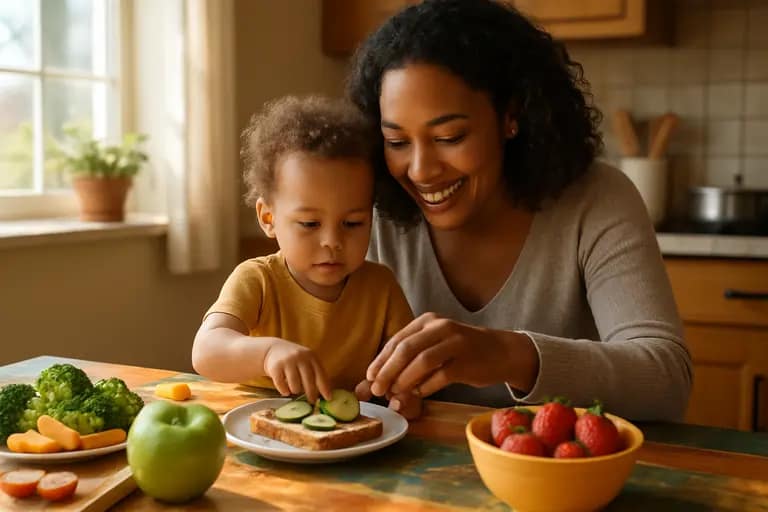
As of April 3, 2026, CDC’s High-Impact Obesity Prevention Standards for early care and education programs included 21 nutrition standards. The research summary identified examples such as serving whole fruits, offering vegetables of several varieties, limiting saturated and trans fats, restricting juice to 100% juice with limits on daily volume, providing water, and using low-fat dairy for children aged 2 and older.
Early childhood settings need especially careful communication. Families may have cultural food practices, budget pressures, feeding concerns, or medical considerations. Program standards can support consistency, but they should not be presented as criticism of caregivers. The strongest community messages are practical and respectful: explain what the setting provides, invite questions, and refer individualized concerns to pediatric care teams.
Worksites and institutions are another area where CDC food service guidelines can help structure choices. A scoping review published on August 1, 2025 evaluated healthy food service guideline interventions in workplaces, institutions, cafeterias, and vending environments. The research summary reported that, across 68 studies, these interventions often improved the food environment and diet quality, while fewer studies addressed financial outcomes or health measures. That distinction matters. Changing the food environment may be promising, but claims about costs or health outcomes should be made carefully unless a local program has reliable evaluation data.
Using Data Without Overstating What It Means
In June 2026, CDC released the 2026 National Nutrition Report, covering biochemical indicators such as fat- and water-soluble vitamins, minerals, trace elements, and phytoestrogens. The research summary noted an approximately 50% rise in blood folate levels since mandatory folic acid fortification began in 1998, while also describing remaining nutritional gaps. That kind of population-level information can guide public health questions, but it should not be used to diagnose an individual’s nutritional status.
Fruit and vegetable data from August 2021 through August 2023 also require careful interpretation. The research summary reported that 69.9% of U.S. adults consumed any fruit on a given day and 93.3% consumed any vegetables. It also noted that adults with higher incomes were more likely to meet fruit and vegetable consumption measures, while lower-income groups were less likely. Community programs should treat those figures as access and planning signals, not as a reason to blame individuals.
- Review food service contracts for nutrition and food safety language.
- Use culturally appropriate communication when explaining changes.
- Ask whether vendors can meet standards before policies are announced.
- Pair school and workplace nutrition efforts with food access discussions.
- Evaluate participation, satisfaction, cost, and feasibility before expanding.
For readers comparing public resource formats across our network, upoffshore.com offers another example of how structured information can be presented effectively for community audiences. In health education, such structure should be paired with trusted sources, clear limits, and plain language.
CDC Food Service Guidelines In Community Planning
CDC food service guidelines can help community partners move from good intentions to clearer operating habits. The most useful changes may be modest: better procurement questions, safer volunteer procedures, clearer school meal communication, water access, thoughtful vending options, and respectful education for families. These steps may support healthier settings, but they do not replace clinical care or individual nutrition counseling.
Groups that want a deeper planning frame may also compare these updates with related coverage of practical food choices, especially when translating population data into local education. Before making personal dietary changes for a medical condition, pregnancy, medication interaction, allergy, or growth concern, readers should discuss their questions with a qualified clinician or registered dietitian.