

Mental health education can give families a clearer way to understand local support, but it should not be confused with diagnosis, treatment, or crisis care. In San Bernardino County, several September 2026 events created a useful example of how public agencies may use meetings, trainings, arts events, and school-focused gatherings to reduce stigma and connect residents with qualified resources.
As of September 15, 2026, some of these events had already taken place, while others were still scheduled for later in the month. That timing matters. The Office of Suicide Prevention Kick-Off Drop-In Presentation took place on September 1, 2026, in Apple Valley; the Behavioral Health Commission Kick-Off Meeting took place on September 3, 2026, in Rialto; and Recovery Happens took place on September 12, 2026, at Miller Park Amphitheater in Fontana. San Bernardino County listed these as part of its September community programming, including later events such as the Sound of Recovery Concert & Reception on September 24 and the Resilient and Real Summit on September 30, 2026, according to the county’s September event notice.
What Mental Health Education Can Do For Families
Public events can make behavioral health topics less private and less confusing. That does not mean every family leaves with a solution. A more realistic goal is that residents may learn the names of local programs, recognize that support can come from different entry points, and feel more prepared to ask informed questions.
Mental Health Education Starts With Clear Limits
Mental health education works best when it is honest about what a public event can and cannot do. A presentation can explain services. A training can introduce warning signs and referral concepts. A summit can help schools and partners think through prevention and resilience. None of these settings should diagnose a child, evaluate a family member’s risk in detail, or tell someone to start, stop, or change treatment.
That boundary protects families. Community learning is often most useful before a crisis or between appointments, when parents, grandparents, caregivers, and neighbors are trying to understand where to turn. A cautious event structure can help people leave with better language, not false certainty.
Why Family Context Matters
Families often notice changes first: withdrawal, sleep disruption, conflict, substance use concerns, school avoidance, grief, or statements that worry relatives. Those observations can be meaningful, but they are not the same as a clinical assessment. Education can help families describe what they are seeing more clearly when they speak with a school counselor, primary care clinician, behavioral health provider, or crisis professional.
This is also where stigma matters. If a community event frames mental health as a normal part of family wellness, residents may be more willing to ask questions earlier. That does not guarantee care access or a specific outcome, but it may reduce the silence that often surrounds distress.
September Events Show Different Entry Points
San Bernardino County’s September schedule reflected several types of engagement. The September 1 Office of Suicide Prevention drop-in presentation appeared to focus on services, resources, and planned awareness activities. The September 3 Behavioral Health Commission meeting gave the public a route to learn about ongoing behavioral health initiatives. The September 12 Recovery Happens event centered on resilience and connection with recovery, treatment, prevention, and advocacy networks.
Later scheduled events served different audiences. The Sound of Recovery Concert & Reception was listed for September 24, 2026, at San Bernardino Valley College, with a stated purpose of reducing stigma around mental health and substance use while connecting community members with support resources. The Resilient and Real Summit was listed for September 30, 2026, at San Bernardino International Airport and was aimed at educators, school leaders, and behavioral health partners.
Trainings Are Not A Substitute For Professional Care
The September training calendar also included suicide prevention education. The Department of Behavioral Health calendar listed safeTALK training for September 16, 2026, in the City of San Bernardino, described as a four-hour workshop that teaches participants to recognize when someone may be having thoughts of suicide and engage them, according to the county’s behavioral health events calendar.
Other September items included Applied Suicide Intervention Skills Training on September 21-22, 2026, and QPR sessions on several dates, including some sessions offered in Spanish. These programs may increase community awareness and referral confidence, but they do not make participants clinicians. For families, the practical takeaway is measured: training can support earlier recognition and better referral behavior, while urgent risk still requires qualified crisis or emergency support.
- Public meetings may help residents understand local systems and engagement opportunities.
- Awareness events may reduce isolation by connecting people with recovery, prevention, and advocacy networks.
- School-focused gatherings may help educators and partners discuss resilience in structured settings.
- Suicide prevention trainings may teach recognition and referral concepts, while clinical decisions remain with qualified professionals.
Health Literacy Depends On Trust And Access
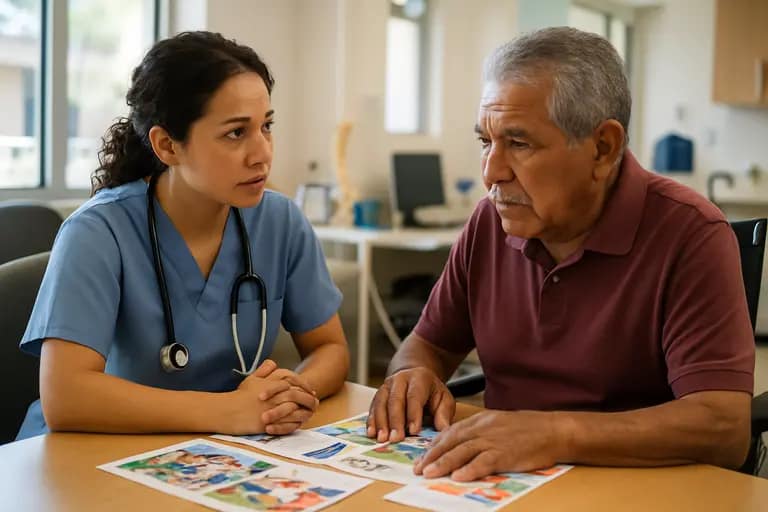
Community wellness programs need more than a calendar. They need trust, language access, physical access, and clear referral pathways. A family that hears a helpful presentation but cannot figure out whom to call next may still feel stuck. A caregiver who speaks Spanish may need education and follow-up resources that are not merely translated, but clearly delivered in a culturally understandable way.
This is why local events should be judged partly by what happens after the room empties. Did residents leave with practical contact points? Were schools, clinics, faith communities, and family-serving organizations included? Were people told what the event could not provide? Those questions are not criticisms; they are quality checks for public health communication.
Community Conversations Need Guardrails
Peer sharing can be powerful, but it can also drift into advice that sounds clinical. A parent may describe what helped their teenager. A recovery advocate may describe a pathway that supported them. A neighbor may share how they persuaded a loved one to seek help. These experiences can reduce shame, yet they should be framed as personal stories rather than instructions for another family.
HealthScope has discussed similar boundaries in health discussions at local events, especially the need for trusted hosts and clear limits. Families may also compare community wellness perspectives through resources such as Ekko Naturals, while remembering that general wellness information does not replace individualized care.
A safe community conversation avoids promises. It does not claim that one meeting, one training, one supplement, one routine, or one belief system will fix distress. It points people toward support, encourages questions, and keeps medical decisions in the hands of qualified professionals.
San Bernardino County Mental Health Education
San Bernardino County’s September 2026 events show how mental health education can be distributed across many community settings rather than confined to clinics. That approach may be useful for family wellness because people do not always begin with a formal diagnosis. They may begin with concern, confusion, exhaustion, grief, school stress, substance use worries, or a sense that someone they love is not doing well.
The cautious strength of these events is that they can make first conversations easier. A public meeting can explain systems. A training can teach residents to notice warning signs and refer. A school summit can bring education and behavioral health partners into the same discussion. A recovery event can remind families that support networks exist beyond a single appointment.
The limit is just as clear. Education should not become amateur treatment. Families who leave an event with concerns about themselves or someone else can consider asking a qualified clinician, school behavioral health professional, or local crisis resource about next steps. Useful questions may include: What level of support is appropriate? What signs would require urgent help? Which local programs serve this age group or concern? How should family members share observations without making assumptions? Those questions keep community learning connected to professional care, where individual assessment belongs.