

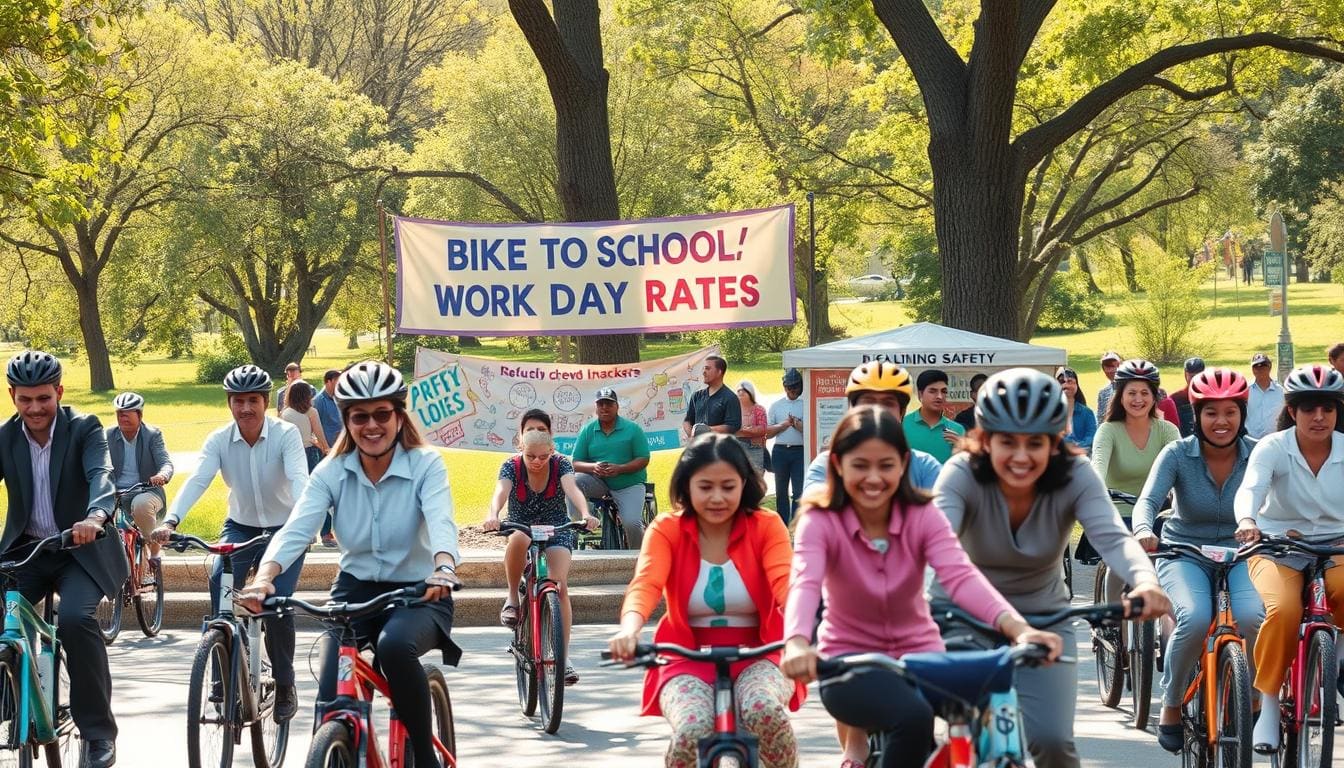
Imagine a morning filled with the sound of wheels and people starting their day together. Community events that promote active commuting create this scene. They are powerful for change.
These events are more than one-day celebrations. They are key parts of bigger plans like Safe Routes to School. This approach makes journeys safer and more accessible for everyone.
Healthier students focus better in class. Cleaner air and calmer mornings come from less traffic. Most importantly, these events build stronger neighborhood bonds. They turn commutes into shared community experiences.
Thriving towns and cities need safe places for walking and biking. Starting with a school or workplace trip plants the seed for healthy, sustainable active transport habits for all ages.
Coalition Building (schools, police, transit)
A strong planning team turns a simple idea into a big movement for safer streets. This group has the people, skills, and trust needed for a smooth event. Your first job is to find and invite a wide range of partners.
Good events need a mix of groups. Each group brings something special to the table.
- School-Based Champions: Principals, teachers, and staff make the event part of the school day. They talk to families and find safe places for kids to get on and off buses.
- City & Safety Agencies: Local police help with safety and traffic control. City planners and engineers give important data on routes and buildings.
- Transit Partners: Public transit agencies are key for working with bus routes. They help promote trips that use more than one way to travel.
- Community Organizations: Nonprofits, public health groups, and local bike shops offer volunteers, tools, and strong ties to the community.
- Parent & District Groups: Parent-Teacher Associations and school district teams are key for planning and getting lots of people involved.
Begin reaching out early. Send emails, make calls, and use social media to connect. Meeting in person, even online, helps build stronger commitment. Be clear about the event’s goals and what you need from each partner.
Once your team is set, find and assign volunteers. A well-staffed event is a safe event. Important jobs include:
- Bike Train Leaders to guide groups along the route.
- Crossing Guards for key intersections.
- Helmet Fitting and Bike Repair technicians.
- Accessibility Leads to ensure inclusivity for all participants.
- Prize Distributors and Greeters to boost morale.
Building this coalition is more than just planning. It builds lasting relationships that support bike safety long after the event is over.
Route Audits and Wayfinding
A student walk audit is more than just checking routes. It’s a hands-on lesson in civic engagement and safety. This process is key to the success of bike trains and walking school buses. Without safe paths, community involvement can falter.
Effective route planning starts with a detailed audit. You need to check every street and crossing. The goal is to find the safest, most accessible path for all.
Tools like the Safe Routes Partnership Route Planning Guide are very helpful. They help organizers document hazards and traffic patterns. They turn a simple map into a detailed safety plan.
Accessibility is a must. Every route must be accessible to students with mobility devices. Check for curb cuts, sidewalk width, and surface conditions. Planning inclusively from the start is essential.
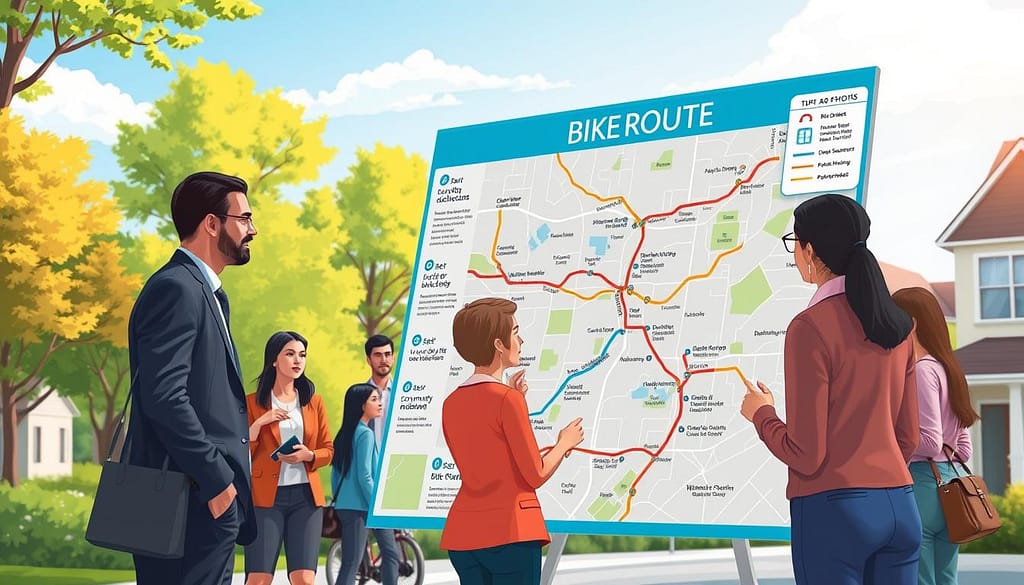
Conducting a live student walk audit is powerful. Gather a small group to walk the proposed route before the main event. Students practice crossing streets safely and note any concerns.
Inviting local leaders on this audit is key. A police officer, city council member, or school principal can advocate for improvements. Their support can lead to faster changes.
Key elements to assess during a walk audit include:
- Sidewalk continuity and condition
- Visibility at intersections and driveways
- Speed and volume of vehicle traffic
- Location and condition of crosswalks
- Areas needing additional signage or volunteers
For families far from the event, remote drop-off points are vital. Find safe, public locations like park parking lots or library grounds. Parents can drop off their children there to join the group ride or walk.
This strategy expands your event’s reach. It makes it easier for students from a wider area to participate. Clear communication about these locations is key.
The final product of this planning is a set of clear route maps. Give these maps to all participating families before the event. Good wayfinding materials build confidence and reduce confusion on the day of the event.
An effective route map should highlight:
- The primary safe route with a bold line
- Designated meeting points and start times
- Locations of remote drop-off hubs
- Positions of adult volunteers or crossing guards
- Key landmarks for easy navigation
Investing time in route audits and wayfinding is worth it. It ensures the event runs smoothly and safely. More importantly, it creates a reusable asset—a safe pathway for future community rides and walks.
Helmet Fittings and Safety Checks
Changing how a community views active transport begins with safety. It’s key to make sure every rider, kids included, has the right gear. This not only prevents injuries but also builds trust.
Getting helmets and bikes checked is important for two reasons. It gives families who can’t afford gear a chance to get it. It also shows everyone that safety is a top priority.
Setting up a helmet fitting station is a big task. You need experts to make sure helmets fit right. Ideal volunteers come from:
- Local public health departments
- SafeKids coalition chapters
- Hospital trauma prevention staff
- Community police officers
These groups can help with helmet giveaways, making it easier for people to ride safely. Having a bike repair station is also a great idea. Working with a local bike shop adds a lot of value.
Volunteer mechanics can fix brakes, check tire pressure, and more. They can also teach people how to take care of their bikes. This helps families keep their bikes in good shape.
Adding a bike rodeo or skills clinic is a great idea. It lets kids practice important skills like signaling and navigating obstacles. This makes learning to ride safer and more fun.
Whether it’s a clinic before the event or stations during, these activities are essential. They give kids the confidence and skills they need for safe rides to school and more.
Incentives and Pledge Tracking
Two key elements make a bike-to-school day successful: engaging incentives and accurate pledge tracking. These tools boost participation and create a fun atmosphere. They also help prove the event’s impact, securing support for the future.
Fun rewards are great for celebrating students who ride or roll to school. Setting up a sticker or small prize station at school entrances makes arrival feel like a party. This act shows that active travel is valued and fun.
These rewards are more than just trinkets. They symbolize participation, making biking a viable and enjoyable transportation option. The joy of receiving a reward strengthens the positive experience of the ride. It sends a message of lifelong bike safety and community spirit.
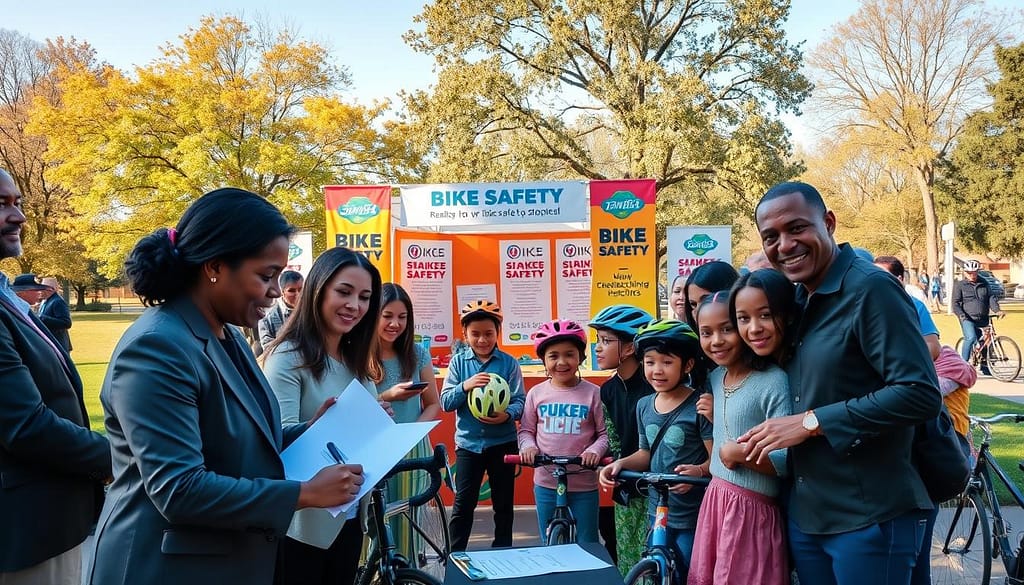
Pairing incentives with a pledge system boosts their impact. Asking participants to commit to riding fosters a sense of responsibility and belonging. A well-run pledge drive turns intention into action. For a detailed guide, check out this pledge tracking guide.
Tracking participation is key for measuring success and planning. Simple methods like bike and pedestrian counts, hand stamps, or tally sheets work well. This establishes a baseline for your first event, allowing you to track growth over time.
The numbers you collect are powerful. They show the event’s reach, provide evidence for grants, and support policy discussions. Tracking turns excitement into data that decision-makers respect.
Choosing the right tracking method depends on your resources and goals. The table below compares common approaches.
| Tracking Method | Ease of Implementation | Data Quality | Impact on Bike Safety Habit |
|---|---|---|---|
| Bike Rack Tally Count | High. Requires volunteers at racks before school. | Provides a solid total participant number. | Medium. Creates a visible “count” culture. |
| Classroom Teacher Survey | Medium. Relies on teacher cooperation post-event. | Good. Can capture mode (bike, scooter, walk) and student sentiment. | High. Integrates discussion into the school day. |
| Pledge Drive with Digital Tracking | Medium-High. Uses an online platform for sign-ups. | Excellent. Provides names, contact info, and commitment level. | Very High. Formal pledge strengthens personal commitment. |
| Hand Stamp or Sticker Distribution | Very High. Quick and visual at entry points. | Fair. Gives a rough participation estimate. | High. Immediate, celebratory reinforcement is fundamental to bike safety culture. |
The mix of celebration and measurement builds momentum. Incentives make the day memorable and fun, while tracking proves its worth. This combination shows biking is both joyful and a serious transportation solution. It sets the stage for a lasting commitment to bike safety and healthy habits.
Media Outreach and Map Assets
Working with local news can make a bike day event known across the community. A good media outreach plan and clear map assets are key. They help build support and guide participants.
First, make a list of media contacts. Include local newspapers, TV stations, and blogs. Personalize your pitch by mentioning community partners like schools and police.
Write a catchy press release. The headline should be clear and event-focused. For example: “Local Coalition Hosts First Annual Bike-to-School Day to Promote Safe Routes.” Include a strong quote and event details.
Your route map is vital for everyone. It shows safe paths, police help, and rest stops. This makes the event easy to understand for news stories.
Make two map versions. A detailed PDF for flyers and a simple digital one for websites. Use bright colors and clear symbols.
Use your map in all media outreach materials. Attach the PDF to your press release and share the digital version online. Have printed maps ready for TV crews.
Follow up with media contacts before the event. Offer interviews and photos. This can turn a simple announcement into a big story.
Keep track of your media coverage. Save newspaper clips and TV segments. This shows the event’s impact and helps with future policy changes.
Post‑Event Policy Wins
The real work for lasting safety begins when the event ends. A successful bike-to-school day generates powerful evidence. Share participant data, photos, and testimonials with city council members and transportation staff. This tangible proof demonstrates community demand for safer streets.
The temporary event route maps are a key advocacy tool. They show the corridors families actually use. These maps reveal where sidewalks end or crossings are missing. Present these route maps to decision-makers. Ask for specific upgrades like a new crosswalk or a protected bike lane along the popular path.
Sustainable change comes from converting event energy into policy. Advocate for permanent infrastructure funding or updated street design standards. A well-attended event proves community support. This makes investments in lasting safety harder for officials to ignore. The goal is to make every day’s journey as safe as the event day.