


Sports betting psychology is built around a powerful tension: the bettor knows the outcome is uncertain, yet every wager invites the feeling that better judgment, sharper information or one more chance could tilt uncertainty in their favor. With bets available from a phone in seconds, that tension can follow people through a game, a workday and even into bed.
The mental-health question is not whether every wager is harmful. It is whether betting begins to reshape attention, mood and decision-making.
A Safer Bet Starts Before the Wager
Platform selection belongs in the same conversation. A bettor researching an offshore operator may start with a question such as Is Everygame a trustworthy sportsbook?, but a health-minded review should go beyond ratings or bonuses. Platform safety matters: check whether the operator is legal where you live, what regulator or licensing framework applies, how account data are protected, how withdrawals work, and whether deposit limits, time-outs or self-exclusion tools are available. The linked review identifies Everygame as an offshore operator and notes that availability varies by location, making independent checks particularly relevant
Responsible betting is easier when important decisions are made before emotions are activated. Precommitment beats willpower: deciding on a spending ceiling, a time limit and a stopping point before the game reduces the need to negotiate with yourself after a loss or an exciting win. Responsible-gambling guidance similarly emphasizes predetermined financial and time limits and avoiding attempts to chase losses..
Promotions deserve the same skepticism. A bonus can make a wager feel cheaper or less consequential, but wagering requirements and withdrawal restrictions can affect the real cost of participation. The useful question is not “How much can I get?” but “What behavior is this offer encouraging?”
How Sports Betting Psychology Can Amplify Stress
Winning creates excitement, but losing can produce a more complicated response. A loss may trigger frustration, self-blame or the urge to “fix” the outcome. That is where a recreational bet can shift into a loss-chasing loop: the next wager is no longer about enjoying the game but about repairing the emotional and financial effect of the previous one.
Stress can run in the opposite direction. Someone who is already anxious, bored or upset may use betting as a temporary distraction. If wagering becomes a regular escape from unpleasant feelings, the activity can take on a role far beyond entertainment.
The American Psychiatric Association lists gambling while distressed, repeatedly trying and failing to cut back, needing to wager more for the same excitement, and chasing losses among the clinical warning signs of gambling disorder. Those signs matter because they focus on behavior and consequences, not simply how much money a person loses.
Why Sports Betting Feels More Skillful Than It Is
Sports betting is psychologically different from many games of chance because knowledge appears to matter. A fan may understand injuries, matchups and recent form. That expertise can create a stronger sense of control than the bettor actually has over a future event.
The problem is not knowing sports. It is confusing informed analysis with control over randomness. A correct prediction can reinforce confidence even when luck played a role, while a near miss can feel like proof that the next bet will be better. Research on sports betting has identified cognitive distortions, including illusions of control, as factors associated with problematic betting behavior.
The most powerful ingredient may be uncertainty itself. A wager turns an ordinary possession, pitch or final minute into a personally meaningful outcome. The brain is responding not only to money, but also to anticipation and the possibility of reward. The National Institute on Drug Abuse notes that gambling disorder shares neurobiological features with substance-use disorders, including altered reward processing and impaired cognitive control. Those mobile sports betting risks become more relevant when betting opportunities are continuously accessible.
Recreational Betting and Riskier Patterns Are Not the Same
The clearest warning signs often appear in patterns rather than in a single wager. A useful comparison is whether betting remains bounded by predetermined limits or begins dictating the next decision.
| Decision area | More controlled pattern | Higher-risk pattern |
|---|---|---|
| Money | Fixed entertainment budget | Increasing stakes after losses |
| Time | Betting during planned periods | Constant checking and live wagering |
| Mood | Able to accept wins and losses | Irritability, anxiety or urgency |
| Motivation | Entertainment | Escape, recovery or income expectations |
| Control | Comfortable stopping | Repeated failed attempts to cut back |
The distinction matters because behavioral shift matters more than a dramatic breaking point. A person does not need to lose everything before betting deserves attention. Changes in sleep, concentration, secrecy, relationships or financial priorities can be meaningful earlier signals.
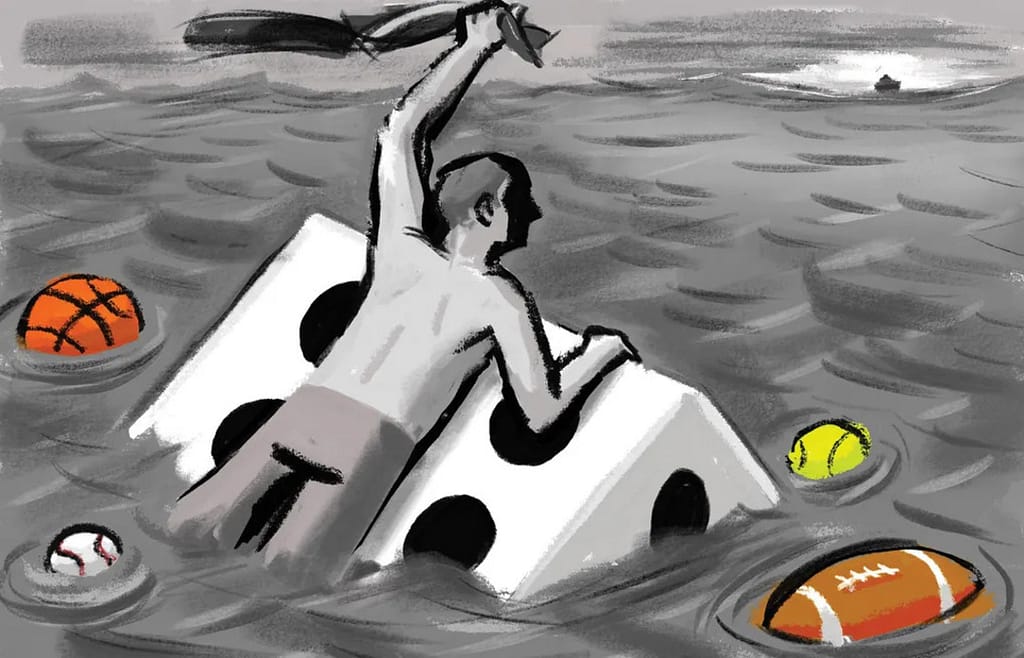
Signals That the Habit Is Taking Over
The pressure points are often ordinary enough to rationalize: watching odds during meetings, thinking about the next wager after a loss, hiding bets from a partner, moving money intended for bills, staying awake to follow late games, or raising stakes because smaller bets no longer feel exciting. These behaviors overlap with recognized signs of problematic gambling, including preoccupation, loss chasing, increasing wagers and harmful consequences.
That makes sports betting part of a wider conversation about mental wellbeing, especially when excitement turns into preoccupation, financial strain or repeated attempts to recover losses.
Any one behavior needs context, but a cluster deserves attention. The strongest signal is loss of flexibility: betting starts to feel difficult to postpone, reduce or skip. If a person keeps gambling despite distress, financial trouble or relationship conflict, the issue has moved beyond a simple question of discipline.
Stepping away can mean using account limits, removing betting apps, protecting money earmarked for essentials, or speaking with a qualified mental-health or addiction professional. The goal is not to win back control through a “better” bet. It is to create enough distance to make decisions without the immediate pull of risk and reward.
Keeping Sports Betting in Perspective
Sports betting psychology helps explain why wagering can feel compelling even to people who understand probability. Knowledge does not switch off emotion, and mobile access can dramatically shorten the distance between an urge to bet and the ability to act on it.
The healthiest boundary is simple: betting should remain optional, affordable and emotionally containable. When stress begins driving wagers or wagers begin driving stress the central risk is no longer the score on the screen. It is the gradual narrowing of attention, choices and wellbeing around the next bet.