

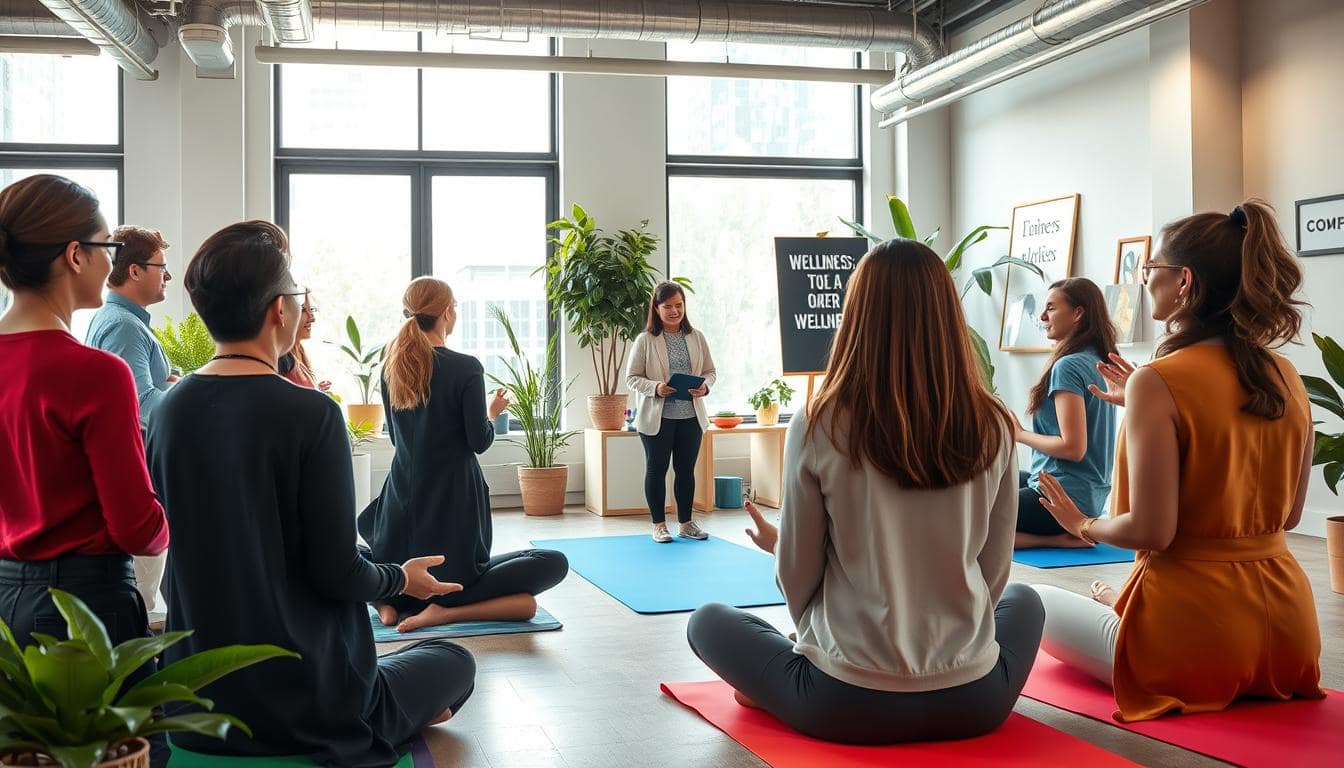
Investing in employee health is now a smart business move. Over the years, programs for staff well-being have become very popular.
Numbers show why this trend is growing. With returns of up to 6 to 1, it’s clear why 53% of U.S. employers invested in wellness programs in 2023.
For local companies, building a culture of health can be tough. That’s where pop-up events come in. They offer a focused solution right where your team works.
These events are more than just extras. When done right, they become a key part of a bigger plan. They tackle onsite wellness needs, boosting morale and productivity.
This approach is great for engaging employers. It helps create a healthier, more engaged workforce through local partnerships.
Employer Outreach and MOUs
To truly engage businesses, you need to go beyond just adding perks. Show them real value and understand their needs. Many employers are serious about their employees’ well-being because it boosts their success.
Start by researching local companies. Look at their size, industry, and work hours. A proposal for a factory will be different from one for a tech company.
When you first contact them, talk about the benefits. Share data on how wellness pop-ups reduce absences and improve morale. For more on creating a lasting program, check out this resource on wellness programs. It shows you’re a partner, not just a vendor.
Formalizing this partnership with a Memorandum of Understanding (MOU) is key. An MOU is a simple agreement that outlines what both sides expect.
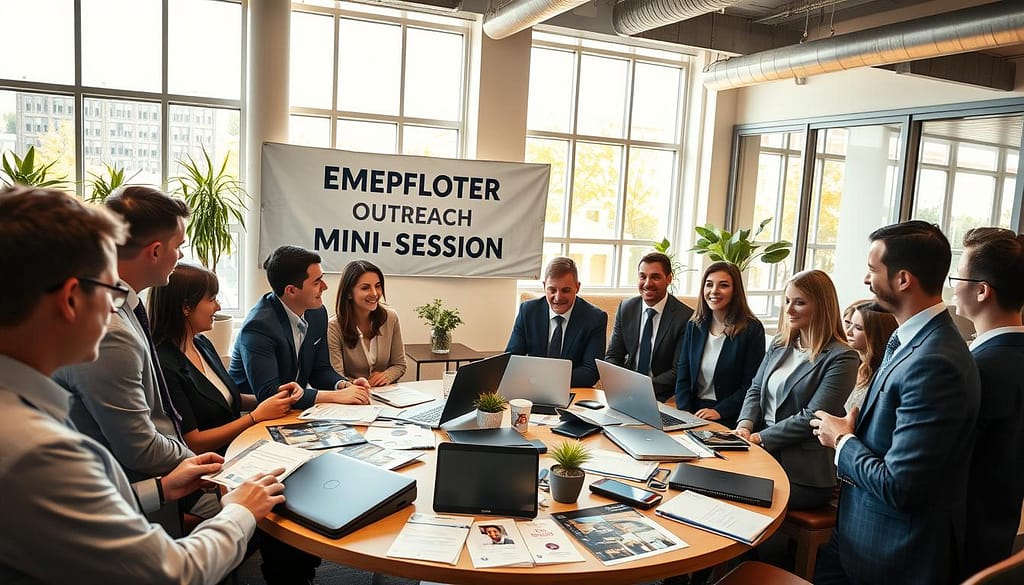
The MOU brings clarity. It sets out schedules, locations, and who does what. It also breaks down big commitments into smaller, weekly or bi-weekly mini sessions. This makes it easier for busy employers to agree.
| Component | Description | Benefit to Employer |
|---|---|---|
| Program Scope | Defines the specific services offered (e.g., chair massage, health screenings). | Sets clear expectations and prevents scope creep. |
| Schedule & Duration | Details the day, time, frequency, and length of each visit. | Integrates seamlessly into the workday with minimal disruption. |
| Roles & Responsibilities | Outlines who provides equipment, space, and promotion. | Clarifies logistics, ensuring smooth execution. |
| Data Sharing Agreement | Specifies how participation and anonymized feedback are shared. | Provides metrics to measure the program’s return on investment (ROI). |
| Service Model | Confirms the use of a modular, repeatable session format. | Makes commitment palatable through short, focused mini sessions. |
Offering mini sessions is a smart strategy. It lets employers pick what works for them. An MOU ensures both sides are on the same page for a lasting partnership.
With a solid MOU, you can start designing pop-up experiences that employees will love.
Menu of Pop‑Ups (Stretch Breaks, Chair Massage, Screenings)
A good pop-up program should offer a variety of wellness services. This menu is quick and easy to use. Each service has its own benefits to help employees stay healthy and focused.
Physical Wellness Pop-Ups
These activities help refresh the body and break up sitting.
- Guided Stretch Breaks: A 10-minute session to loosen neck, shoulders, and back. It boosts circulation and eases stiffness.
- Onsite Chair Massage: A 15-minute massage for the upper body. It relieves muscle tension and relaxes without taking much time.
- Fitness Mini-Sessions: Quick, 20-minute group activities like walking, yoga, or bodyweight exercises. They increase energy and introduce simple exercises for employees to do on their own.
Preventive Health Screenings & Education
These pop-ups give valuable health insights and education at work.
- Biometric Screenings: Health professionals offer checks for blood pressure, glucose, cholesterol, and more. These quick screenings help employees understand their health numbers.
- Flu Vaccination Clinics: On-site flu shots remove a major barrier to vaccination. They help keep teams healthy during flu season.
- Wellness Workshops: Experts speak on nutrition, sleep, or managing overall stress. This empowers employees with practical knowledge, turning a break room into a learning space.
Environmental & Ergonomic Wellness
This category focuses on the workspace itself. It’s key to employee comfort and health. A focus on ergonomics can prevent chronic issues before they start.
Ergonomic Desk Check-ups are a critical service. A specialist assesses the workstation for 5-10 minutes. They adjust chair height, monitor position, keyboard placement, and posture, providing tips for better comfort.
This direct intervention helps prevent neck strain, back pain, and repetitive stress injuries. It’s a tangible way to show care for employee safety.
The menu’s flexibility is its strength. Employers can choose services based on their space, budget, and culture. This variety ensures something valuable for every employee, making the wellness program inclusive and effective.
Scheduling for Shifts
Planning pop-ups for day, night, and weekend shifts needs careful planning and clear talks. A solid schedule is key to success. It makes sure everyone gets a chance to participate without messing up work.
First, figure out your team’s shift patterns. Day, night, and weekend teams have their own schedules. Your plan must fit these to get everyone involved.
Match activities with quiet times in the day. For example, offer stretch breaks in the morning or afternoon. Schedule massages during lunch or when shifts change. Health checks can be done over a few days to cover all teams.

Studies show Wednesday is a great day for pop-ups. It’s when most people are at work. But, be flexible. Pick the best day for your team.
Even a small wellness hour a week can make a big difference. Make sure this time is in the schedule. Work with HR and managers to make a fair plan.
Here’s a guide for planning your pop-up schedule for different shifts:
| Shift Type | Recommended Activity Times | Key Participation Tip | Communication Focus |
|---|---|---|---|
| Day Shift (9-5) | Stretch breaks at 10:30 AM & 3:00 PM; Massage during 12-1 PM lunch. | Anchor to natural breaks. Use calendar invites. | Email blasts, team huddles, digital signage. |
| Night Shift | Screenings at shift start (7 PM); Chair massage during midnight break. | Respect circadian rhythms. Keep sessions brief. | Direct supervisor announcements, dedicated WhatsApp/Slack channels. |
| Weekend Shift | Wellness Wednesday concept adapted to “Wellness Saturday” or key weekend hour. | Offer high-value services like longer massage slots as an incentive. | Schedule posted one week in advance. Personal reminders from managers. |
Good communication tools are essential. Post schedules online, on break room boards, and in team chats. Announcements should come from leaders and wellness teams.
The aim is to cause little disruption. When activities fit into the workday well, work stays productive. Employees feel valued because their time is respected.
This plan is easy to adjust. Your schedule should fit your unique team. With good planning, your wellness pop-ups will run smoothly across all shifts.
Incentives and HR Integration
Workplace wellness pop-ups become powerful when they’re part of your HR and benefits systems. While single events are nice, ongoing programs lead to real change. This makes wellness a key part of what your company offers employees.
To keep employees engaged, link pop-up activities to rewards. These incentives make wellness fun and show you care about their health.
Here are some effective ways to offer incentives:
- Wellness Reward Points: Employees get points for joining in on activities. They can use these points for rewards like gift cards or extra time off.
- Fun Fitness Challenges: Start a step challenge or a hydration week with pop-up activities. The winners get prizes and recognition.
- Corporate Discounts: Work with local health stores or apps to offer discounts. Give these discounts as rewards for regular pop-up attendance.
- Credits or Reimbursements: Offer credits for health screenings. This ties the activity to a financial benefit, encouraging more participation.
Working closely with HR is key to making these incentives work well. Your goal is to make the pop-up program feel like a natural part of your benefits.
Work with HR to add pop-up schedules and sign-ups to your wellness portal or intranet. Share info about upcoming pop-ups during new employee onboarding. This sets a positive tone from the start.
Most importantly, track how many people participate in pop-ups and other wellness programs. This lets you see how pop-ups impact overall engagement. You can also find out which incentives work best.
Make sure to explain the value of these pop-ups clearly. Show them as a vital part of the total rewards package. Explain how they add to health insurance and retirement plans by focusing on daily well-being.
The table below compares common incentives to help you plan your program:
| Incentive Type | How It Drives Participation | HR Integration Level | Best For |
|---|---|---|---|
| Points & Rewards System | Creates gamification and tangible value for attendance. | High (requires portal integration) | Building long-term habit change. |
| Wellness Challenges | Taps into team camaraderie and friendly competition. | Medium (managed jointly with HR) | Boosting morale and social connection. |
| Corporate Discounts | Offers immediate, practical value for healthy living. | Low (can be managed by wellness team) | Providing immediate appreciation. |
| Health Credits | Directly links activity to financial benefit, clear ROI. | High (needs payroll/benefits system link) | Increasing screening and assessment rates. |
By using these strategies, you move from random wellness acts to a sustainable culture of health. Employees see these pop-ups as valued and supported. This integration is the key to making workplace wellness pop-ups a game-changer for local employers.
Measuring Absence and Morale Changes
Tracking data makes wellness activities valuable. It shows how they improve numbers and feelings.
Begin with a baseline. Find out your current absenteeism rate. For example, the UK’s rate was 2.2% in 2021. Then, track changes after wellness activities start.
Count how many take part in stretch breaks or chair massages. Also, watch short-term disability claims.
But numbers only tell part of the story. Do pulse surveys before starting new activities. This helps understand what employees need.
Get feedback at every event. Use simple forms to see how employees feel. Look for changes in satisfaction scores.
This data shows the value to employers. It proves wellness programs boost the bottom line. Focusing on reducing workplace absenteeism leads to more productivity.
Share your findings clearly. Show how morale changes with participation. Use this to improve your wellness offerings.
This creates a cycle of getting better. Data helps plan future wellness initiatives. It strengthens the case for investing in employee health.