


California’s CYBHI partnership offers a useful case study in youth behavioral health because it connects schools, community groups, digital tools, and workforce development rather than relying on one setting alone. For families and local leaders, the lesson is not that any single program can meet every need. It is that access often improves when young people have several safe entry points for education, support, and referral.
The Children and Youth Behavioral Health Initiative was launched in 2021 as a five-year, more than $4 billion effort for children, youth, and young adults ages 0 to 25, according to the state’s CYBHI overview. That scale makes it unusual, but its most practical insight is still local: young people are more likely to use help when it is visible, age-aware, culturally aware, and connected to places they already know.
What CYBHI Shows About Youth Behavioral Health Access
Youth Behavioral Health Starts With Entry Points
Access is often discussed as if it means only a clinical appointment. Appointments matter, but youth behavioral health access can also begin with a school wellness room, a trusted coach, a digital platform, a classroom campaign, or a community partner who knows how to connect a family with care. CYBHI appears to work from that broader idea: young people may need help before they know what kind of help to ask for.
As of Spring 2026, California reported funding more than 1,600 organizations statewide to carry out nearly 2,200 activities, including behavioral health services, wellness spaces, training, and community and school supports. The same state update reported more than 70,000 people in the behavioral health workforce pipeline, including more than 4,000 Certified Wellness Coaches; digital platforms serving more than 500,000 children, youth, and families across all 58 counties; and more than 230,000 reimbursed service claims through the CYBHI Fee Schedule program, generating $11.3 million in new revenue to help sustain school-linked services California’s 2026 CYBHI update.
Access Still Needs Boundaries
Large numbers can signal reach, but they do not prove that every young person received the right service at the right time. Families may still face language barriers, privacy concerns, transportation gaps, insurance questions, mistrust, or uncertainty about where a concern fits. A cautious reading of CYBHI is that system capacity may be improving, while individual experience still depends on local implementation.
That distinction matters for community wellness work. A school club, peer event, parent night, or wellness fair can reduce confusion and stigma, but it should not become a substitute for qualified assessment when a young person may need professional care. Good engagement helps people ask better questions and find appropriate support; it does not diagnose, rank symptoms, or promise outcomes.
How Community Partners Can Keep Engagement Useful
Make The First Conversation Easier
Many youth and families hesitate before asking for help. Some worry about being labeled. Others do not know whether stress, sadness, anger, sleep problems, or school avoidance should be discussed with a professional. Community partners can help by using plain language and avoiding crisis-only framing. Behavioral health education should make room for everyday concerns while also naming situations that require urgent professional or emergency support.
Events and group activities may be most useful when they explain what different supports can and cannot do. A Certified Wellness Coach, school counselor, pediatric clinician, therapist, crisis line, family resource center, and peer group do not serve the same function. When young people understand those differences, they may be better prepared to choose a safe next step with an adult they trust.
For readers comparing youth engagement models, HealthScope has also covered student behavioral health support through school, family, and community partnerships. The shared lesson is that education works best when roles are clear and young people are not asked to sort the system alone.
Let Youth Participation Shape The Setting
Programs designed for young people should not treat them as passive recipients. Youth can help identify whether a workshop feels welcoming, whether a digital platform is understandable, whether a school wellness space feels private enough, and whether outreach language sounds respectful. This does not mean youth should be expected to solve system problems. It means their feedback can help adults notice friction that formal planning may miss.
Community organizations can also reduce pressure by offering more than one way to participate. Some young people may speak in a group. Others may prefer anonymous questions, art-based activities, short surveys, one-on-one check-ins, or digital resources. A flexible format may make engagement feel less like a test and more like a doorway.
What Schools And Families Can Learn From CYBHI Partnership Work
School-Linked Support Is Not Just A Referral Form
Schools are often the most consistent public setting in a young person’s life. That makes them a practical place for youth behavioral health education, but it also creates risk if staff are expected to do too much without training or referral pathways. CYBHI’s attention to wellness spaces, training, and school-linked reimbursement suggests that the setting around the service matters.
A school-based activity may support awareness by explaining stress, sleep, relationships, bullying concerns, grief, or academic pressure in age-appropriate terms. Still, staff should avoid turning general education into individualized medical direction. If a student describes thoughts of self-harm, abuse, severe distress, or immediate danger, the response should follow school policy and connect the student with qualified help or emergency support.
Families Need Practical Literacy, Not Blame
Families often carry the work of scheduling, transportation, consent, insurance paperwork, and follow-up. A youth behavioral health initiative may reach young people, but families may still need basic guidance on how systems fit together. Parent and caregiver education can explain what questions to ask, how confidentiality may work for different ages, what to expect from a first appointment, and how to share concerns without trying to diagnose at home.
Family-facing education should avoid shame. A delayed request for help is not always neglect; it may reflect cost worries, cultural concerns, past negative experiences, or lack of clear information. Community wellness programs can serve families better by treating questions as normal and by offering resource maps that are reviewed regularly.
Equity Questions CYBHI Should Keep In View
Reach Does Not Always Mean Equal Benefit
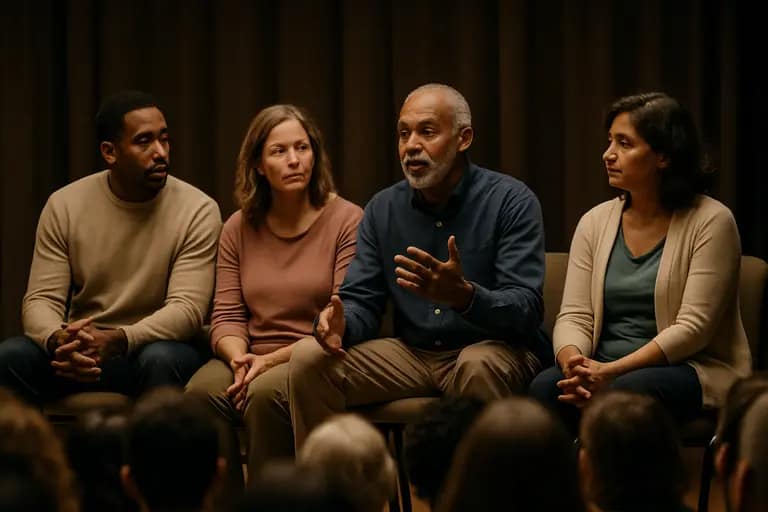
Statewide reach is valuable, but equal access cannot be assumed from statewide numbers alone. Young adults, gender-diverse youth, sexual minority youth, rural families, immigrant families, and youth with disabilities may experience different barriers. Some may have higher concerns about privacy or stigma. Others may have fewer local providers or fewer adults who understand their lived experience.
For community groups, the safer approach is to ask who is missing. Are events scheduled at times families can attend? Are materials understandable to people with different literacy levels? Are youth asked whether the setting feels safe? Are referral options realistic for families without reliable transportation? These questions may sound basic, but they often determine whether a program is reachable in real life.
Digital Tools Need Human Pathways
Digital platforms can reduce some access barriers, especially for young people who may not want to begin with an in-person conversation. The reported reach of CYBHI platforms suggests that digital support can be an entry point for many families. Still, online support should not be treated as the whole answer. Some concerns require local follow-up, crisis response, family involvement, school coordination, or ongoing clinical care.
Communities can help by pairing digital information with trusted adults who know how to guide next steps. A young person should not have to decide alone whether an online tool, school resource, clinician visit, or emergency service is appropriate. Supportive adults can keep the process grounded while respecting privacy and developmental needs.
Engaging Youth In Behavioral Health Through CYBHI Partnership
Measure Trust As Well As Activity
The CYBHI partnership shows that investment can build visible infrastructure: funded organizations, trained workers, school-linked billing, wellness activities, and digital reach. The harder measure is whether young people trust the system enough to use it early, return when needed, and recommend it to a friend without fear of being judged.
Local events should therefore measure more than attendance. Useful questions include whether youth understood the resource, whether they knew how to ask for help afterward, whether the setting felt respectful, and whether families understood the next step. For broader community wellness reading across the same network, readers may also review a related wellness site in the network.
For parents, caregivers, and youth, CYBHI’s work can be a prompt for practical conversations rather than a script for care. If a concern is affecting sleep, school, relationships, safety, substance use, mood, or daily functioning, discuss it with a pediatric clinician, primary care professional, school counselor, licensed mental health professional, or local crisis resource as appropriate. Helpful questions may include: What level of support fits this concern? What should we watch for? What privacy rules apply? What options are available through school or community programs? What should we do if symptoms worsen or safety becomes a concern?