

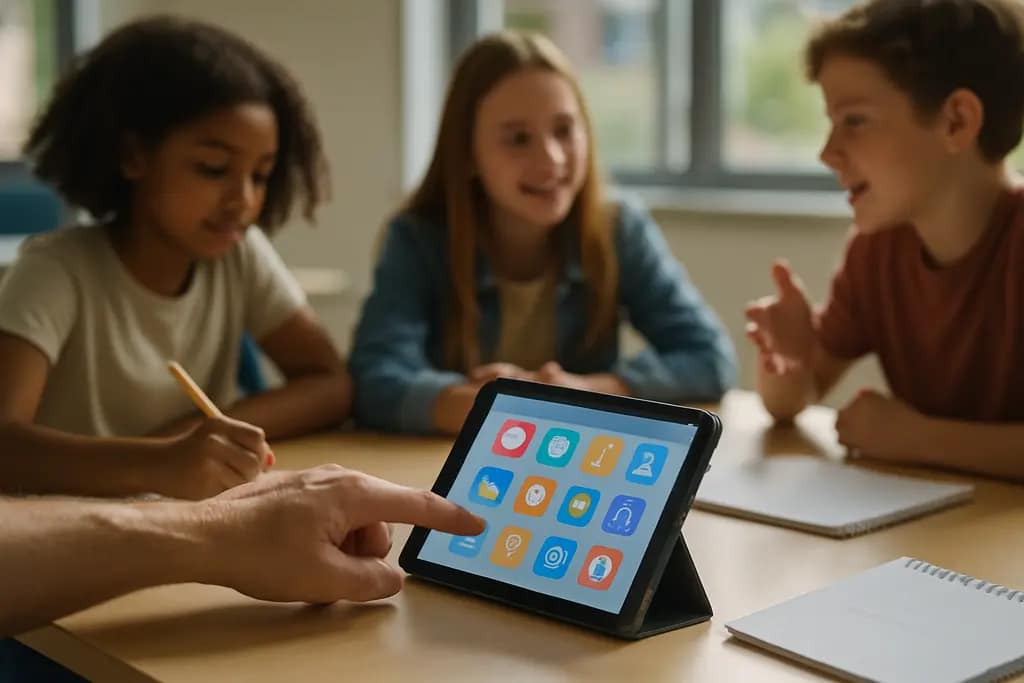
Educational guidance on effective learning tools has become more pointed following the U.S. Department of Education’s classroom technology recommendations on August 20, 2026. The key message for educators, community wellness groups, and families is to ensure that classroom technologies are evaluated for their evidence of success and alignment with a school’s instructional goals, rather than their novelty or entertainment value. This approach means asking critical questions about the role of such tools in actual learning settings.
These recommendations highlight how crucial it is to ensure that learning support aligns with broader community well-being efforts. Effective learning tools are essential in providing clarity and minimizing classroom disruptions. Although learning products often appear polished, their utility is dependent upon a clearly defined instructional purpose and ongoing evaluation based on their classroom applications.
Effective Learning Tools Need A Clear Purpose
Setting Clear Objectives for Educational Technology
The U.S. Department of Education highlighted five key questions to guide the selection of educational technology. These questions focus on solving a specific learning problem, the target audience, duration of use, and evidence-based results. Schools are encouraged to review these tools regularly to ensure efficacy, as outlined on the Department of Education’s recent guidelines. This methodical approach underscores the necessity for clear instructional goals over novelty.
- What specific learning problem is being addressed?
- Which students are expected to benefit, and why?
- When and how long will the tool be used?
- What independent evidence supports its use?
- How will the school review whether it is effective?
Understanding the Value Beyond Engagement
True educational value cannot be measured by how engaging a tool appears. Technologies should primarily serve an educational purpose, providing practices that connect directly to academic goals. By insisting on evidence-based analytics, schools can ensure that investments in technology translate into meaningful educational outcomes, aligning with broader community support mechanisms.
Evidence Should Shape Classroom Choices
The Role of Independent Evidence
Independent evidence acts as a safeguard, ensuring that schools do not rely solely on marketing claims. The Department of Education’s emphasis on evidence provides a multi-faceted framework for integrating technology, focusing on clear selection and accountability processes. When deciding on technology, schools should be able to clearly articulate and justify their choices based on clear evidence.
Parents and caregivers, using this framework, can engage with schools by asking relevant questions about the efficacy of these technologies. For example, rather than judging an app’s appeal, stakeholders can inquire about the tool’s specific educational purposes, teacher involvement, and plans for evaluating its success.
Regular Review Prevents Drifting
Even properly chosen tools can lose their relevance over time. Without regular assessments, these tools might inadvertently become passive fixtures in the classroom, providing added responsibilities without the intended benefits. Regular reviews are necessary to ensure that educational technology continues to align with its original goals, adapting as necessary.
This testing does not necessitate immediate, drastic measures but involves strategic review and assessment measures. It involves measuring whether the identified learning problem is making progress and ensuring the tools are being used as anticipated. Parents can assist by understanding how progress is tracked and ask schools how they plan to recalibrate if needed.
Student Support Data Shows Why Selection Matters
Understanding the Impact of Tutoring Support
Federal survey data underscore the significance of intelligent selection. According to the School Pulse Panel’s June 2025 findings, 85% of public schools offered some tutoring during the 2024-25 school year. This period also showed 31% of students lagging, even with tutoring efforts in place. These statistics highlight the necessity for reinforcement methods, such as tutoring and individualized instruction, to have clear, evidence-driven support and objectives (School Pulse Panel findings).
The statistics do not advocate for a one-size-fits-all solution or technology. However, they reinforce the need for clarity and effectiveness across educational tools and interventions, particularly regarding selection and review processes. Schools must consistently evaluate why one tool or form of support is selected over another option.
The Role of Small-Group Instruction
Tutoring and small-group instruction represent other areas where clear objectives and regular assessments are critical. Personalized formats may be advantageous but require ongoing transparency and adaptability like digital resources. Educational decisions should therefore be evidence-focused and scrutinized for their lasting instructional benefits.
This aligns well with the Department’s guidance, suggesting that schools, families, and community stakeholders may benefit by considering these rigorous guidelines when addressing students’ educational needs. Again, it is helpful to ask what skill sets are being targeted, how these lessons will be applied in practical classroom settings, and when re-evaluations are planned.
Effective Learning Tools And Student Wellness

Supporting Wellness Through Education
Viewing effective learning tools as a component of a broader support network rather than solutions on their own underscores educational support’s role in student well-being. While these tools can offer guidance, they should complement ongoing instruction and support structures, adapting educational practices to extensive wellness strategies.
Community groups can aid in framing these technological tools within broader educational and systemic supports. Engagement with these resources must seek to support, not replace, instructional capacities, ensuring a balanced approach tied directly to student success indicators.
The Role of Community Engagement
Parent groups and local nonprofits often play an instrumental role in bridging the gap between families and educational systems. For insights into effective public-interest topic explanations, sites like UP Offshore are valuable resources to understand cautious, evidence-friendly public guidance effectively.
Questions Families Can Bring To School Teams
Framing Practical Conversations
Although parents and caregivers may not have technical expertise, their roles in educational discussions are critical. Questions that pertain to specific skills being supported, usage frequency, and teacher oversight, align with Department initiatives. These conversations don’t demand technical backgrounds but rather practical insights pertinent to the child’s educational needs.
Inquiring how reports aid practical adjustments is crucial, especially if these tools yield voluminous but unclear data. Progress reports should focus on actual learning metrics, bridging the gap between time spent and meaningful milestones reached.
Remaining Critically Engaged
Families and community members should be attuned to claims exceeding realistic capabilities. Statements that presume a uniform benefit across all learners or bypass essential teacher judgments must be critically examined for their lack of rootedness in formal evidence. Both Department and community wellness approaches stress weighing claims cautiously, examining their alignment with independent assessments.
Likewise, differentiating between enhancing engagement and improving learning is crucial. An enjoyable experience doesn’t inherently equate to educational success. Tools should consistently align enhancements with meaningful scholastic achievements.
Effective Learning Tools In Community Practice
The ongoing decision-making surrounding effective learning tools has significant implications, integrating time, attention, and family dynamics within the larger frame of educational strategy. Therefore, the most credible pathways are those examined through evidence, transparency, and adaptability.
By preparing families with information on critical conversation points—such as the UP Offshore approach of thorough, evidence-supported public discussions—community advocates uphold education’s transformative potential. Schools, caregivers, and learners benefit from an environment fostering informed decision-making practices within a comprehensive support framework.
This article offers general educational information rather than medical or academic advice. If a learning strategy interacts with health needs, accommodations, or medications, further discussions with clinicians, school nurses, or educational support staff are advised for tailored advice.