


Every strong neighborhood has hidden champions. The vision for a Volunteer Wellness Corps turns that latent talent into a force for good. It’s a system that transforms community curiosity into local leadership.
The first step is finding the right people. You need a message that speaks to different motivations. Some want to improve their block. Others, like retirees, seek a renewed sense of purpose.
A clear “volunteer promise” sets the right expectations from the start.
Next, design a fast path from interest to action. The goal is a one-week path from sign-up to a first shift. Tools like Civic Champs or Better Impact make this process smooth. This shows respect for people’s time and builds momentum.
Safety is non-negotiable. Calibrate background checks to the risk level of each role. Services like Sterling or Fieldprint are vital for vetting, ensuring trust in your community wellness programs.
Training Modules (CPR, Facilitation, DEI)
Volunteers need a solid training to help their community. We focus on three key areas: emergency response, teaching others, and understanding different cultures. This training turns good neighbors into peer educators who can really help.

The first area is CPR and First Aid certification. Quick action is vital in emergencies. We teach our Wellness Corps members these lifesaving skills through the American Red Cross. Their training is flexible, mixing online learning with hands-on practice.
Good support also needs strong communication. The second area is facilitation and coaching training. Volunteers learn to listen well, set boundaries, and coach others. We use proven programs to teach these skills.
For effective support, understanding different cultures is key. The third area is Diversity, Equity, and Inclusion (DEI) training. This training is essential for peer educators to serve diverse communities well. It focuses on care that respects each person’s background.
Resources like The Center on Holocaust Survivor Care and NCAPPS are invaluable. They teach volunteers to respect personal history and trauma. This builds trust and safety in their work.
Training also includes practical skills for helping everyone. Volunteers learn to recognize and address social health issues. They practice using translation services and check materials for accessibility.
This training creates a strong foundation. A CPR-certified volunteer can handle emergencies. A facilitation-trained volunteer can help with health systems. A DEI-trained volunteer ensures support is respectful and effective.
These modules do more than teach. They create a shared language and skills among Wellness Corps members. This unity allows peer educators to work together effectively. It ensures everyone gets the support they need.
This investment in training has lasting benefits. It prepares peer educators for real-world challenges. It boosts their confidence and makes them respected in the community. Most importantly, it makes sure the help they offer is truly helpful.
Role Descriptions and Schedules
Training gives us the knowledge, but clear roles and schedules make that knowledge real. Volunteers need to know where they’re going, not just where to start.
Begin by making role descriptions clear and focused. Instead of vague tasks, define specific missions. For example, a role might be to call five caregivers weekly to schedule wellness checks, aiming to reduce missed appointments by 15%.
Everyone has different time and energy to give. Your corps should offer various levels of involvement. This makes it easier for people to find a role that fits their schedule.
- Micro-volunteering: Short, one-time tasks like delivering meals or checking for safety hazards.
- Ongoing Support Roles: Regular tasks, like weekly calls or leading a walking group.
- Skills-Based Contributions: Projects from professionals, like organizing health clinics or designing flyers.
Some roles match your training modules perfectly. For instance, a “Certified Wellness Companion” role might need CPR, mental health first aid, and facilitation training. This certification boosts credibility, sets a high standard of care, and gives volunteers a recognized achievement.
Roles need schedules that are just as clear. A messy sign-up sheet can lead to burnout and no-shows. Use modern tools like Helpful Village, CiviCRM, or VolunteerHub to manage sign-ups and keep volunteers informed.
These tools help ensure everyone has a fair chance at roles and organizers can track coverage in real-time. For simpler needs, Google Sheets can work, but dedicated software is better for growth.
The role of a supervisor changes from just managing to coaching. Start each shift with a quick huddle to review goals and assignments. Be there to coach, helping new volunteers or those in certification programs. This support turns a schedule into a cohesive team.
In the end, clear roles and schedules do more than fill spots. They build trust. Volunteers know what they’re doing and when. Neighbors know who to expect and when help will come. This clarity is the heart of your Volunteer Wellness Corps.
Recognition and Retention
Keeping a strong Volunteer Wellness Corps is more than just filling spots. It needs a plan to thank and keep volunteers long-term. This turns them into community leaders who make a big difference.
Good recognition is clear and fair. Don’t just say “thank you.” Tell them how their work helped. For example, “Because you sorted 400 hygiene kits, 120 families in our neighborhood had essential supplies during a tough time.” This shows how their work helped everyone.
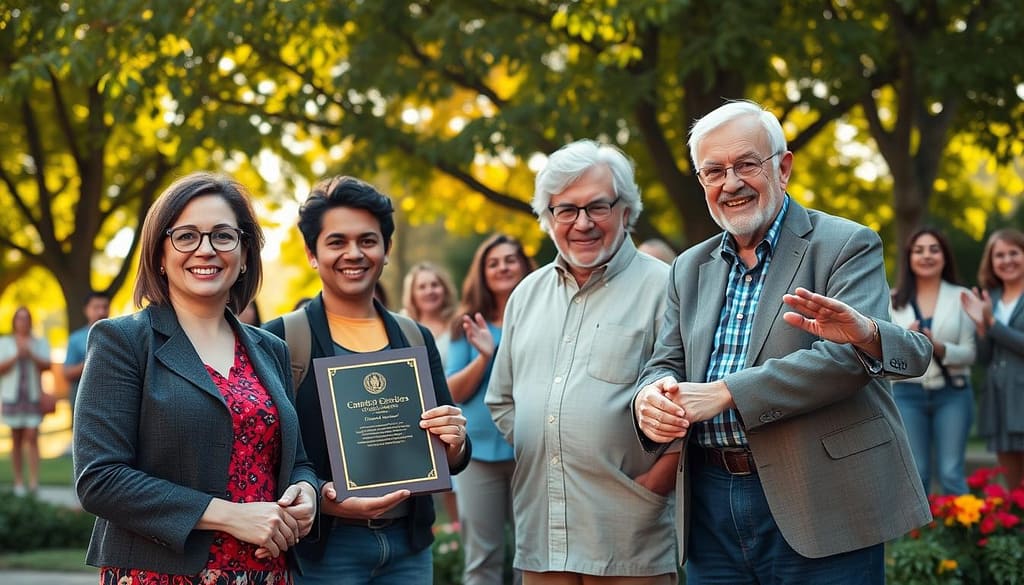
Keeping volunteers means showing them a clear path to grow. A clear leadership path shows them how to move up. This gives them a sense of purpose and a future to look forward to.
- Contributor: The starting point, helping with basic tasks and training.
- Shift Lead: A volunteer who manages a single event or session, handling details and supporting others.
- Trainer: Someone who teaches new volunteers, sharing skills and values.
- Program Captain: A key role that helps shape programs, gives feedback, and mentors others.
This path lets volunteers grow and take on leadership roles that fit their skills and interests.
Stopping burnout is key to keeping volunteers. Roles that are hard emotionally need extra support. Set limits on how much they can do. Help them form groups to talk about their experiences. Also, tell them about mental health resources.
Listening is also important for keeping volunteers. Have regular meetings and workshops to get feedback. Use this feedback to improve programs. When volunteers see their ideas make a difference, they feel valued. This teamwork is key to a strong corps of community leaders.
Micro‑grants for Neighborhood Projects
A micro-grant program turns good ideas from neighbors into real projects. These projects improve community well-being. It empowers peer educators and active residents to take action.
By giving small, easy-to-get funds, the Volunteer Wellness Corps helps start local changes. This is a great way to make a difference.
Residents can apply for a grant to meet a need they see. Projects might include starting a community garden or organizing a walking group. The goal is to support ideas from the people who live there.
The process should be built on co-design principles. This means working with community members to make the application clear and fair. The application form should be short and in many languages. A simple review committee makes the decisions.
This committee includes volunteer leaders and peer educators from the corps. Their local insight is key for choosing successful projects. The committee doesn’t just give money. It also offers mentorship and help from the corps’ network.
Success is measured by more than a single event. The real impact is what happens in the ninety days after. Did the garden get planted and tended? Did the walking group meet regularly? Sustained activity and new connections show a grant’s true value.
Here are examples of small projects micro-grants can launch:
| Project Idea | Primary Goal | Key Resources Needed |
|---|---|---|
| Community Garden Plot | Increase access to fresh produce | Land, tools, seeds, water access |
| Neighborhood Walking Group | Promote regular physical activity | Route maps, promotional flyers, a facilitator |
| Healthy Cooking Workshops | Improve nutritional knowledge and skills | Kitchen space, ingredients, a volunteer chef |
| Peer-Led Support Circle | Foster mental and emotional well-being | Quiet meeting space, facilitator guides |
This strategy expands the corps’ reach. Trained peer educators guide applicants, but the projects belong to the neighbors. This builds stronger local leadership and ensures projects are relevant to each unique block or street.
Partnerships with local businesses or nonprofits can stretch grant dollars further. They can donate space or materials. For inspiration, look at models like the Peace Corps Connect community fund projects. These examples show how small investments can yield significant social returns.
Ultimately, micro-grants complete the cycle of empowerment. They provide the final tool for peer educators and engaged residents to become architects of their community’s health. The corps supplies the training, framework, and seed funding. The neighborhood supplies the vision and the muscle to make it real.
Impact Tracking and Safety
A Volunteer Wellness Corps shows its worth through clear data. Track important metrics like volunteer show-up rates and how long they stay. Also, count the wellness checks done or miles walked with companions.
This data proves your program’s impact and helps improve it. Safety is key to trust. Make training a daily part of your work.
Keep a list of possible risks, from weather to personal conflicts. Practice yearly to get your team ready. Always keep privacy and consent in mind when collecting data.
Keep your volunteers and community safe with the right steps. Look into volunteer insurance, like CIMA offers. Use background checks for roles with more responsibility. This way, you reduce risks for everyone.
Lastly, create a formal certification system. This shows a person has done all the needed training and safety checks. It means only the right people are in sensitive roles. This makes your corps strong and lasting.