

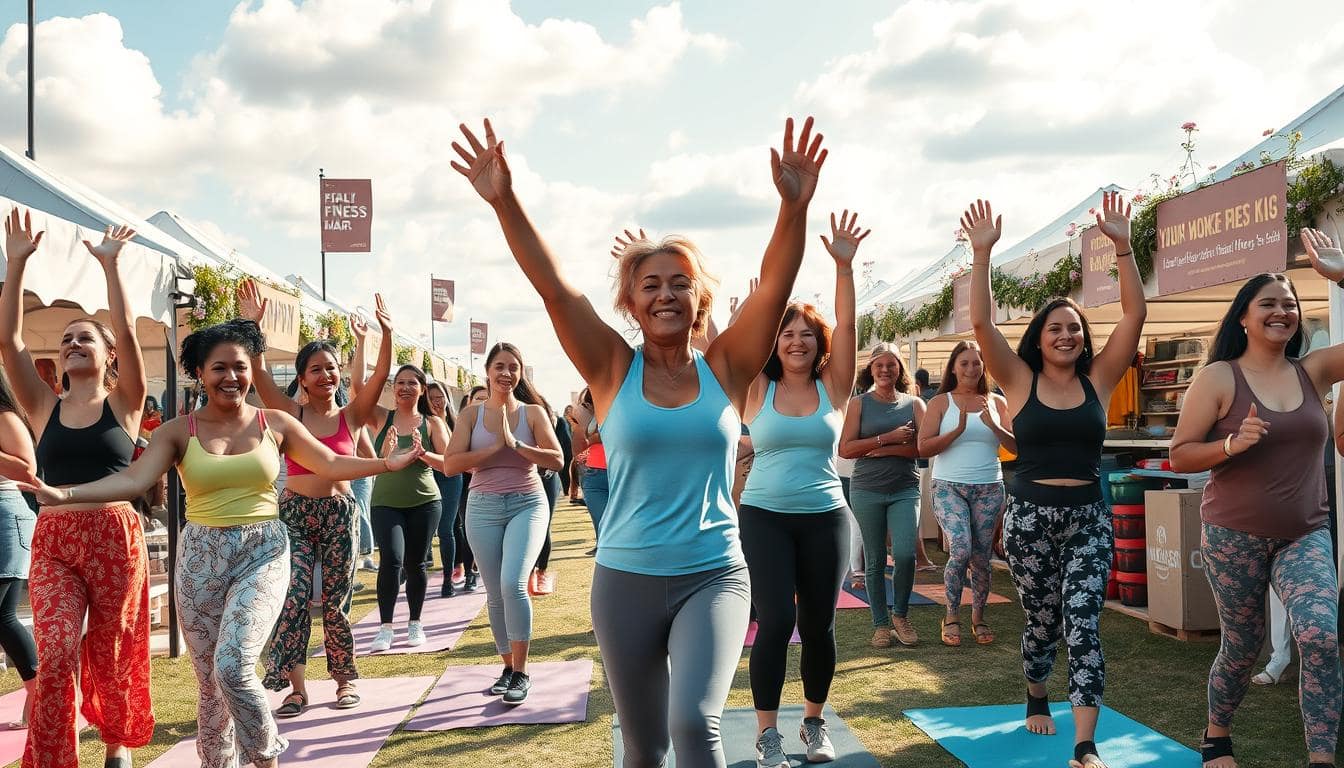
Community health events are powerful. They connect people and teach about preventive care. These events raise awareness and offer health screenings in a friendly setting.
A good event fits the season. A lively spring fair might focus on new beginnings. A summer fitness event could highlight outdoor fun and healthy eating. This guide helps you plan a successful event.
Start with clear goals. Gather a team with various skills. Pick a date and place that everyone can get to. Knowing what your audience needs helps you plan better.
The Organizer’s Health Fair Playbook is a complete guide. It helps make your event both fun and informative. Let’s dive into creating a community health event that lasts all year.
Seasonal Themes and Partner Mix
A good theme draws people in by meeting their seasonal needs. It shapes your event, from marketing to activities. A mix of partners brings the theme to life, making the event rich and cohesive.
Themes do more than decorate. They tackle health and wellness issues each season brings. This makes your festival a must-attend event.
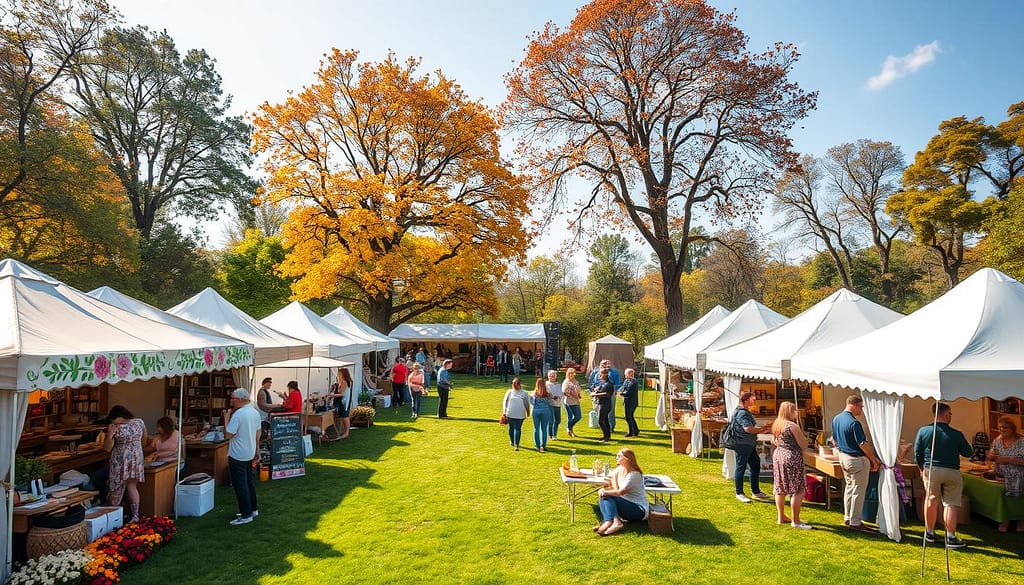
Winter Resilience is great for the first quarter. It focuses on staying well during cold months. Activities include indoor fitness, stress management, and vitamin D education.
Spring Fling Health Fairs celebrate renewal. They promote outdoor activities, fresh food, and mental health. Expect gardening, smoothie demos, and mindfulness sessions.
Sunshine Summer Health Fairs focus on safety and staying cool. Messages include sun protection, hydration, and healthy grilling. Fitness demos are held outdoors, taking advantage of the weather.
Falling for Wellness Expos prepare for the year’s end. They focus on fall flu season. Expect vaccination drives, nutrition tips, and “cozy fitness” routines.
The theme sets the stage, but partners are the stars. A diverse mix offers real value. They turn inspiration into action, with experts, local businesses, and community advocates.
Healthcare providers are key partners. They offer vital services like blood pressure checks and mental health screenings. At a fall flu-focused expo, they provide flu shots and respiratory health info.
Fitness and wellness centers add energy. Gyms, yoga studios, and martial arts dojos lead sample classes. They show fun ways to stay active all year.
Local businesses add flavor and practical resources. Organic grocers, supplement shops, and healthy eateries offer samples and discounts. They connect wellness to daily choices.
Community organizations extend your reach. Groups like the American Heart Association and mental health alliances provide trusted info. They tailor content to audience needs.
Aligning partners with your theme is key. The table below shows how this works in practice.
| Seasonal Theme | Primary Focus Areas | Ideal Partner Types |
|---|---|---|
| Winter Resilience | Indoor fitness, mental well-being, vitamin D, stress management | Hospitals (screenings), gyms (home workout demos), therapists (workshops), vitamin retailers |
| Spring Fling | Fresh nutrition, outdoor activity, mental refresh, allergy management | Farmers markets, parks & rec departments, yoga studios, allergists |
| Summer Sunshine | Hydration, sun safety, outdoor fitness, healthy grilling | Sports drink brands, dermatology clinics, hiking groups, healthy BBQ vendors |
| Falling for Wellness | Flu season prep, immune support, cozy fitness, seasonal eating | Pharmacies (vaccinations), soup vendors, indoor cycling studios, local orchards |
Creative thematic twists can create buzz. For example, a “Senioritaville” event for older adults might use a playful passport system. Attendees collect stamps from vendor booths, exploring all health resources.
Building a partner ecosystem requires early outreach. Explain how their services fit the event’s goals. A balanced mix offers education, screenings, demos, and local flavor. For more ideas, check out these wellness event ideas.
The magic happens when theme and partners align. A “Winter Resilience” theme comes alive with a hospital next to a gym. This pairing makes your festival a valuable community resource.
Activity Zones and Stage Schedules
Creating different activity zones and a timed stage lineup helps avoid congestion. It also makes sure everyone has a great time. This planning turns a simple event into a memorable experience.
Attendees should know where to go next. A clear layout reduces confusion. It makes sure everyone can find what they need easily.
Activity Zones group similar activities together. This makes the festival floor easy to navigate. It’s like a map with clear districts.
The Screening Zone is for private health checks. It’s a quieter area for blood pressure and glucose screenings. You can also have immunization clinics here.
Good logistics are key. This zone needs enough space for privacy and short lines. Place it away from main paths to avoid bottlenecks.
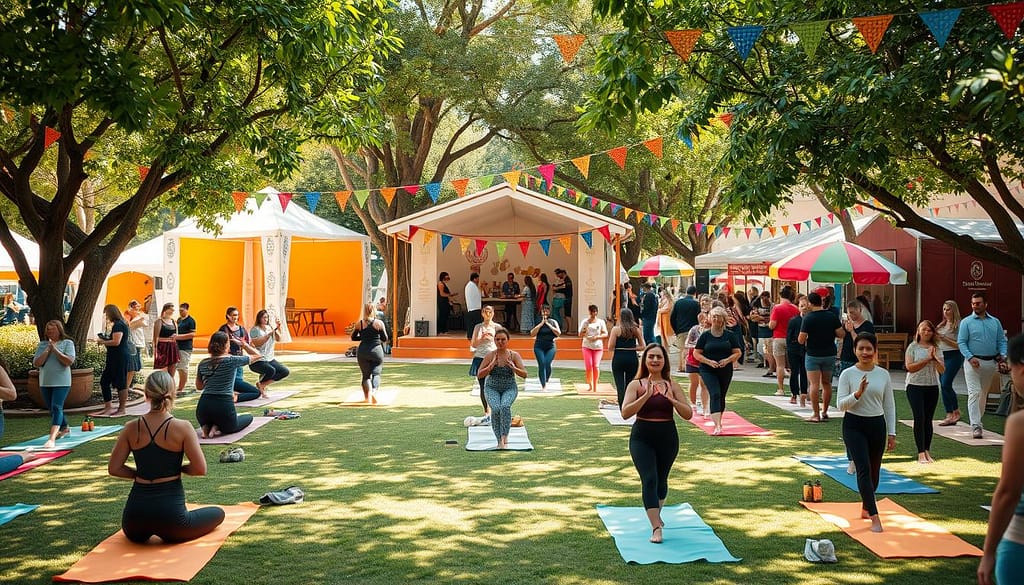
The Demo Zone is for movement and learning. It’s where you host fitness demonstrations like yoga or tai chi. Healthy cooking workshops and ergonomics lessons also fit here.
This area needs open floor space and possibly a sound system. Electricity access is important for cooking demos. Place this zone where crowds can gather safely without blocking exits.
The Community Zone houses informational booths and partner vendors. It’s for mini-workshops on topics like Medicare or stress management. Local health organizations can share resources here.
Use less popular booths to flank popular ones. This spreads foot traffic evenly across the entire area. A clear entrance and exit path keeps people moving.
Interactive activities boost engagement within these zones. A Vendor Passport encourages visitors to collect check-offs from various booths. Completing the passport can enter them into a prize drawing.
Health-themed BINGO cards or trivia games are also effective. They make learning fun and motivate attendees to visit different areas. These tools naturally guide the crowd through your planned zones.
A dynamic Stage Schedule gives the festival a pulse. Programming a central anchor point distributes crowds throughout the day. It gives people a reason to arrive early and stay late.
Start with a kick-off talk to welcome everyone. Follow it with a high-energy activity like a group yoga demonstration. Schedule a healthy cooking show for later in the day.
Here is a sample schedule to manage flow and highlight key offerings:
| Time | Main Stage Activity | Recommended Zone Visit |
|---|---|---|
| 10:00 AM | Festival Kick-off & Welcome | Community Zone Opens |
| 11:00 AM | Group Yoga Demonstration | Demo Zone / Screening Zone |
| 1:00 PM | Live Healthy Cooking Workshop | Demo Zone / Vendor Passport |
| 2:30 PM | Health Trivia with Prizes | Community Zone Booths |
| 4:00 PM | Grand Prize Raffle Draw | All Zones Open |
Staggering events like this ensures the screening areas don’t get overwhelmed all at once. It also creates natural breaks for attendees to visit food vendors or rest.
Always have a backup plan for outdoor stages. Consider a DJ or live music during transitional periods. This maintains a lively atmosphere even between scheduled workshops.
Together, thoughtful zoning and smart scheduling create a seamless attendee journey. They reduce wait times, increase participation, and make your wellness festival truly memorable.
Cultural Food Vendors and Nutrition Standards
A mix of cultural food vendors turns eating into a wellness journey. It makes the dining area a lively, educational spot at the event.
Choosing vendors is key. Look for local, diverse options that serve fresh, healthy food. Think smoothie bars, farm-to-table salads, or ethnic dishes known for being nutritious.
Organic produce vendors from farmers’ markets and co-ops are great. They provide fresh ingredients. Healthy snack and drink vendors add to the lineup, supporting wellness goals.
Setting clear nutrition standards is important. These rules can include small portions, vegetarian or vegan choices, and nutritional info. This builds trust with health-focused attendees.
Food education is also vital. Live cooking demos on stage are powerful. A dietitian or chef making a healthy meal turns a snack break into a truly immersive nutrition lesson.
Offering free samples or discounts attracts people. Budgeting for “Healthy Food/Beverage” is wise for any successful wellness fair. It ensures this key aspect gets the needed resources.
Sponsorship Packages
Local businesses can invest in community health and meet their marketing goals with sponsorship packages. These partnerships provide the funding and services needed for a wellness festival to succeed. By setting up different levels of support, organizers can turn goodwill into real resources.
Getting local businesses and organizations involved is key to a successful event. They do more than just give money. Sponsors can offer health screenings, share important information, and give out popular raffle prizes. This support helps cover costs like stage equipment, signs, and activity supplies.
Finding the right partners is the first step. Companies see festival participation as a great marketing chance. Key prospects include:
- Health Plans and Insurance Providers: Companies like Moda Health are interested in promoting wellness.
- Hospitals and Health Systems: Local hospitals are great for screenings and medical booths.
- Employee Assistance Programs (EAPs): These programs want to connect with employees and families.
- Fitness Centers and Wellness Brands: Gyms, yoga studios, and supplement shops fit the festival theme.
- Local Financial Institutions and Corporations: Banks and big employers have community giving budgets.
Creating tiered sponsorship packages helps everyone know what to expect. A multi-level approach attracts both big and small contributors. Here’s a common framework used by successful festivals.
| Package Tier | Investment/Contribution | Core Benefits | Ideal For |
|---|---|---|---|
| Premier Health Partner | Major financial support or provision of high-cost services (e.g., mobile screening van). | Prime booth location, main stage presentation slot, logo on all marketing materials, title sponsorship recognition. | Regional health systems, major insurance providers. |
| Community Champion | Moderate financial donation or significant in-kind services. | Large activity zone booth, logo on festival website and program, social media mentions. | Local hospitals, large fitness chains, corporate foundations. |
| Wellness Supporter | Donation of raffle prizes or volunteer teams. | Standard vendor booth, listing in festival program, recognition on sponsor board. | Small local businesses, restaurants, wellness practitioners. |
The benefits you offer must be valuable. Focus on brand exposure, lead generation, and community goodwill. A good booth location offers direct contact with customers. Stage time is for demos or talks. Logo placement on materials keeps your brand visible.
Be clear about what you expect in your sponsor agreements. Say exactly what’s being given and what’s expected. Include setup times, booth details, and promotional plans. This avoids misunderstandings and builds trust for future events.
This strategic approach to sponsorship packages is a win-win. The festival gets the funding and services it needs. Local businesses and health plans reach an engaged audience in a positive setting. Together, they build a healthier, more connected community.
Attendance and Economic Impact
A successful Four‑Season Wellness Festival needs strong attendance and clear impact. A multi‑channel promotion strategy drives community engagement. Start social media campaigns on Facebook and Instagram four weeks before.
Use local media and place flyers in community centers. Build excitement with “teaser” content about activity zones or featured vendors. Offer incentives like raffle prizes from local businesses.
The “Wellness Passport” encourages visitors to collect stamps. Providing shuttle services or public transit info improves accessibility. Post‑event measurement is key to proving value.
Track attendance through registration systems and passport redemptions. Distribute feedback surveys to attendees, vendors, and volunteers. These surveys assess knowledge gained about preventive health.
Evaluate the intent to adopt healthier behaviors or use a local clinic. Estimate the economic impact of free health screenings. Highlight increased foot traffic for the host venue and shops.
This data shows the festival’s role in supporting community well‑being. It provides strong evidence for future sponsors and stakeholders. Measurable outcomes make the festival a catalyst for lasting local healthcare initiatives.