

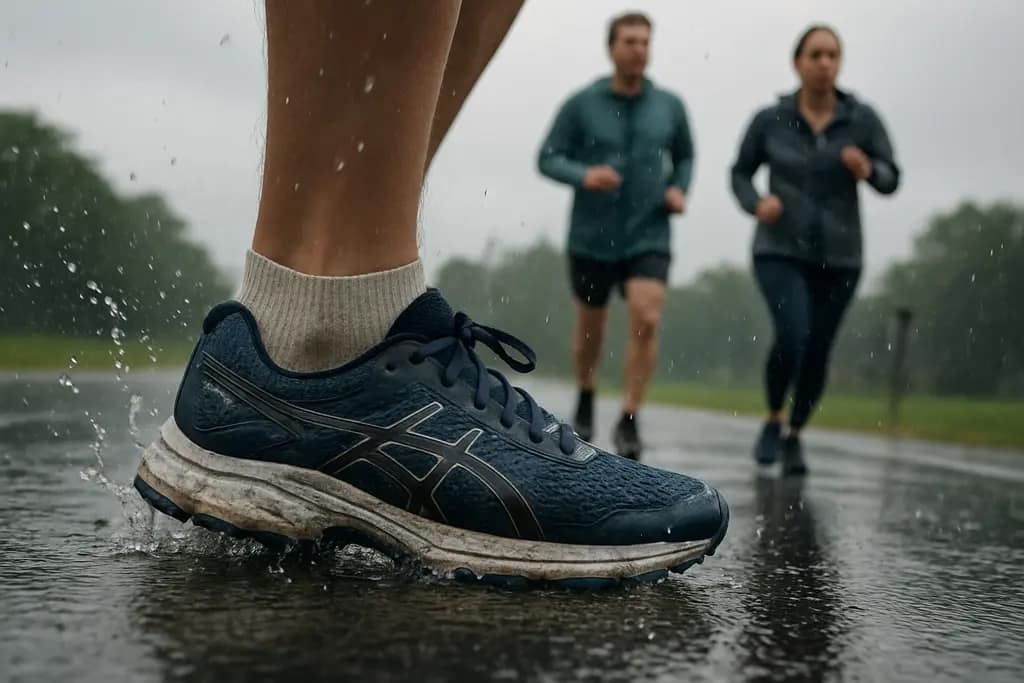
Weekend Warrior Injuries are a familiar concern when cooler air, shorter daylight, and a burst of motivation pull people back into running, hiking, recreational sports, yard work, or longer gym sessions. The problem is not enthusiasm itself. It is the sudden jump from limited weekday movement to high-effort weekend activity, especially when weather changes also affect clothing, footing, visibility, and fatigue.
As a community wellness educator, I see this most clearly in groups where people genuinely want to support each other but may unintentionally reward overdoing it. A better group culture treats safe pacing as a shared skill. Peer encouragement can help people stay active during the week, talk honestly about setbacks, and avoid turning one person’s success story into a rule for everyone else. For those interested in exploring additional community education resources in the same network, the site PetraClass provides valuable opportunities for broader learning spaces.
Why Weekend Warrior Injuries Rise With Weather Changes
Weekend Warrior Injuries And The Sudden Effort Problem
Weather transitions can create a misleading sense of readiness. Cooler air may make a long run or pickup game feel easier at first, while muscles, tendons, balance, and sport-specific coordination may not be conditioned for the same workload. Damp leaves, uneven trail surfaces, lower evening light, and extra clothing layers can also change the way a familiar activity feels.
The risk is often practical rather than dramatic: a person who sits most weekdays may try to compress a week of activity into two days. That pattern can increase strain on the knees, ankles, hamstrings, shoulders, and back, particularly when the activity involves sprinting, twisting, lifting, or sudden stops. This does not mean people should avoid activity. It means the first question is usually not “How hard can I go?” but “What level of effort have I prepared for?”
What National Injury Data Can And Cannot Tell Us
National data give useful context, but they do not predict what will happen to any one person. An analysis using the U.S. National Health Interview Survey from 2011 to 2014 estimated about 8.6 million sports- and recreation-related injury episodes annually, with an age-adjusted rate of 34.1 injuries per 1,000 people; about half were treated outside emergency departments, according to the PubMed abstract. That finding suggests many injuries are handled in clinics, urgent care settings, or other non-emergency contexts, not only hospitals.
Another national analysis of emergency department visits related to fractures and dislocations from common sports and recreational activities estimated about 7.35 visits per 1,000 people annually; among those visits, 20.6% involved fractures and 3.6% involved dislocations, as described in the PMC full text. These figures are useful for scale, but they do not say that a specific weekend activity is unsafe for a specific reader. Personal risk can vary with age, prior injury, health conditions, medications, sleep, footwear, surface, training history, and access to safe places to move.
Build A Safer Week Before The Weekend
Small Weekday Sessions Lower The Spike
Reducing Weekend Warrior Injuries often starts before the weekend. A small amount of regular weekday movement may help reduce the contrast between inactivity and high-effort recreation. This could mean easy walking, light cycling, mobility work, balance practice, or low-intensity strength training, depending on what is appropriate for the person. The general idea is gradual exposure, not punishment for missed workouts.
Support groups can help here because they make modest plans socially visible. A member might say, “I am planning two short walks before Saturday,” rather than promising a major fitness change. That type of accountability may feel less intimidating and more sustainable. It also gives the group a chance to normalize scaling down when sleep, stress, weather, or soreness make the original plan unrealistic.
Warm-Ups Should Match The Activity
A warm-up is most useful when it prepares the body for the movements ahead. A recreational basketball game asks for cutting, acceleration, and deceleration. A fall hike asks for uneven steps, balance, and sustained lower-body work. A yard project may ask for lifting, reaching, and repeated bending. Starting gently, then increasing movement range and intensity, may help the body adjust before higher effort begins.
For general education, a safer planning mindset includes:
- Increase distance, time, or intensity gradually rather than all at once.
- Use easy movement before harder efforts, especially in cooler weather.
- Choose shoes and clothing that match the surface, temperature, and activity.
- Slow down on wet, uneven, dark, or unfamiliar routes.
- Build recovery time into the plan instead of treating rest as failure.
- Pay attention to sharp pain, swelling, instability, dizziness, or unusual symptoms and seek appropriate professional guidance.
These are general principles, not individualized medical instructions. People returning after injury, living with chronic conditions, pregnant, taking medications that affect heat tolerance or balance, or unsure about symptoms may need more specific guidance from a qualified professional.
Support Groups Can Keep Activity Realistic
Accountability Without Pressure
Weekend Warrior Injuries are not only a physical issue. They can also involve guilt, comparison, and the belief that fitness “should” return immediately after a break. Groups can either intensify that pressure or soften it. A well-led group does not celebrate the person who ignores pain or shames the person who chooses a shorter route. It helps members describe what they can do now and what support would make consistency more likely.
A useful peer check-in might ask: What activity are you considering? What has your body been prepared for recently? What weather or daylight factors could change the plan? What is your backup option if conditions are poor? These questions keep the conversation practical without turning peers into clinicians.
Shared Plans Need Clear Boundaries
Groups work best when they separate experience from instruction. “I felt better when I started with a shorter route” is a personal report. “Everyone should do my route” is advice that may not fit another person’s body, schedule, or health status. This boundary protects trust, especially in mixed groups where people may differ widely in age, fitness level, injury history, and confidence.
Facilitators can also watch for unhelpful patterns: competitive mileage talk, pressure to join activities beyond one’s comfort level, product claims, or dismissive comments about pain. A supportive group can redirect with neutral language: “Let’s keep this to what worked for you and encourage others to make decisions that fit their own situation.”
Weather Changes Call For Slower Decisions

Cool Air Can Hide Heat Strain
Cooler temperatures may reduce discomfort, but they do not remove the need for pacing, fluids, and attention to exertion. Intense exercise, heavy clothing, humidity, direct sun, and limited breaks can still contribute to overheating or dehydration for some people. Needs vary, so general rules should be handled cautiously. A person who is older, new to activity, taking certain medications, or managing a health condition may need individualized advice.
Support groups can make this practical by discussing conditions before the activity rather than after a problem occurs. A group walk might be shortened if the route is slippery. A recreational game might include planned breaks. A hiking group might agree that turning around early is acceptable, not embarrassing.
Light, Surfaces, And Pace
Shorter daylight changes risk in quiet ways. A familiar sidewalk may have raised edges that are harder to see. A trail may hold moisture longer. Fallen leaves can hide roots or slick spots. Reflective gear, slower pacing, and route choices with better visibility may reduce some hazards, though no strategy removes risk entirely.
Reducing Weekend Warrior Injuries is partly a matter of respecting these small changes. The same pace that felt manageable on a dry summer morning may not be sensible on a damp evening after work. Adjusting the plan is not a lack of discipline; it is a sign that the person is paying attention.
Weekend Warrior Injuries And Clinician Conversations
The most useful community message is not “be careful” in a vague way. It is: build gradually, keep weekday movement realistic, adapt to weather, and treat pain or unusual symptoms with respect. Peer groups can support these habits by reducing isolation and making moderation socially acceptable.
For people who have had prior injuries, recurring pain, balance concerns, chest symptoms, faintness, swelling, instability, or uncertainty about returning to activity, a clinician or qualified rehabilitation professional can help interpret what is appropriate. Before increasing activity, consider asking what warning signs should prompt evaluation, whether any health conditions or medications affect heat or exertion tolerance, what type of progression is reasonable, and whether a specific activity needs modification for your situation.