

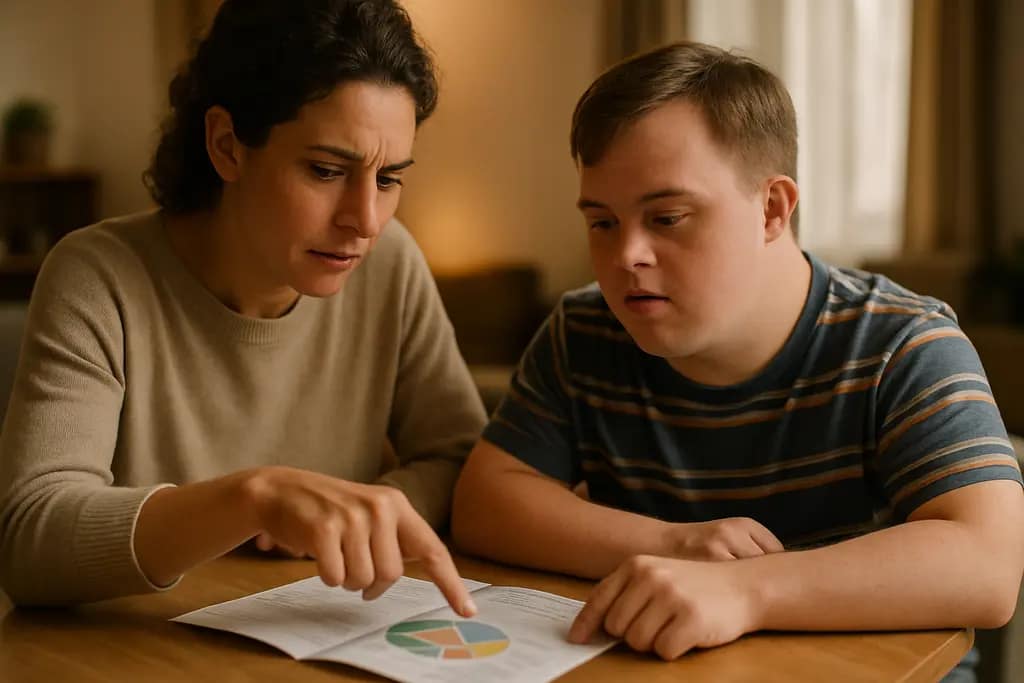
Health literacy barriers can make routine health tasks harder for people with disabilities, especially when information is difficult to read, hard to hear, not accessible by screen reader, or separated from transportation and cost concerns. The issue is not simply whether a person is motivated to learn. It often reflects whether health systems, community programs, and patient materials are built so people can use them in real life.
A cautious reading of recent research points to a practical lesson: disability access and health literacy should be treated together. Written instructions, appointment reminders, insurance explanations, rehabilitation education, and public health messages may all fail if they assume one standard way of seeing, hearing, moving, remembering, reading, or communicating.
Why Health Literacy Barriers Persist
Health Literacy Barriers Are Not One Problem
The phrase can sound narrow, as if the main concern is reading level. Reading clarity matters, but disability-related barriers can involve many layers at once: inaccessible websites, unclear forms, limited interpreter access, transportation obstacles, appointment systems that rely on phone calls, or patient education that assumes a person can hold, see, hear, or process information in a certain way.
The World Health Organization reports that more than 1.3 billion people, about 16 percent of the global population, live with disability. WHO also reports that people with disabilities may be up to six times more likely to face barriers accessing health care and up to 15 times more likely to have trouble with transportation WHO disability fact sheet. Those figures suggest that health education cannot be separated from access. A brochure may be accurate, but it may still be unusable if the person cannot get to care, request help, or receive information in an accessible format.
Education And Income Can Shape Access To Understanding
A 2025 systematic review of adults with spinal cord injury or disorder included 2,471 participants. The review found that most reported sufficient health literacy, but people with higher education and socioeconomic status tended to have better outcomes. The authors also noted that relatively few studies examined how spinal cord injury or disorder-specific factors shape literacy skills systematic review on SCI/D health literacy.
That finding should be read with care. It does not mean people with lower income or less formal education are less capable. It suggests that health information often rewards people who already have more educational, financial, and social resources. For community wellness programs, this is a design warning. If a program depends on long forms, medical vocabulary, online portals, or repeated travel, it may widen gaps even when the content itself is well intended.
Accessible Information Needs More Than Plain Language
Format Can Decide Whether Education Works
Plain language is a useful starting point, but it is not enough by itself. A person with low vision may need large print or screen-reader-friendly material. A Deaf patient may need qualified communication support. A person with cognitive disability may benefit from shorter sections, repetition, pictures, teach-back, and extra time. A wheelchair user may understand the instructions but still face transportation or building access problems that make follow-up difficult.
This is where health literacy barriers become community wellness issues. Libraries, disability organizations, faith groups, clinics, schools, and local health departments may each hold part of the solution. A patient may need understandable information, but also a trusted person who can help prepare questions, organize paperwork, or identify a more accessible way to communicate with a care team.
Trust Is A Practical Access Tool
Trust is sometimes discussed as a feeling, but in disability care it can function like infrastructure. People may be more willing to ask questions when they expect to be taken seriously. They may be more likely to return for follow-up when staff explain steps clearly and do not rush communication. They may be more likely to use educational materials when those materials reflect different access needs rather than treating disability as an afterthought.
Community groups can help, but they should avoid acting as medical decision-makers. A support group can help members practice questions, compare communication strategies, and share experiences with transportation or forms. It should not tell someone which treatment to choose, whether to change medication, or how to interpret new symptoms. For readers building local resource lists, HealthScope’s related page on health literacy resources may be useful for thinking about adult learning supports.
Community Toolkits Should Set Clear Boundaries
A Good Toolkit Helps People Ask Better Questions
A disability-focused health literacy toolkit does not need to promise that every barrier can be solved quickly. A realistic toolkit can help people prepare for appointments, request accessible formats, record questions, identify transportation needs, and bring a trusted support person when appropriate. These steps may support communication, but they do not replace professional judgment.
Toolkits may be stronger when they separate three tasks: understanding information, accessing services, and making decisions with clinicians. Understanding information might involve plain language, visual aids, or teach-back. Accessing services might involve transportation planning, interpreter requests, or accessible scheduling. Decision-making should remain centered on the individual, their clinician, and any legally authorized decision supports.
Peer Support Should Share Experience, Not Instructions
UP Offshore can provide a useful point of reference for community wellness teams examining how to integrate learning models across different sites, while ensuring health decisions are based in trusted medical sources. This makes a vital distinction since health literacy concerning disability involves more than just acquiring information; it’s about facilitating its practical application without turning community spaces into clinics.
What Recent Evidence Suggests For Program Design

Measure Barriers Before Choosing Solutions
The evidence available from recent studies suggests that disability type, education, income, transportation, and communication access may all affect how people find and use health information. Yet the research base is still uneven. The spinal cord injury and disorder review noted gaps in studies that focus on condition-specific literacy factors. That uncertainty should make programs more careful, not less active.
A clinic or community organization can begin by asking practical questions. Are forms available in accessible formats? Can appointment reminders be received in more than one way? Are patient handouts usable by screen readers? Do staff know how to document communication preferences? Can patients ask for more time or support without feeling they are being difficult?
Design For Variation, Not The Average Patient
Disability is not one experience. A person with hearing loss, a person with cognitive disability, a person with chronic pain, and a person with mobility limitation may face different barriers even in the same clinic. A single handout or portal message may work for one person and fail another.
Addressing health literacy barriers therefore requires flexible design. Programs may consider multiple formats, shorter materials, clear headings, staff training, assistive technology compatibility, and ways to involve caregivers or support people when the patient wants that help. None of these steps guarantees better health outcomes, but evidence suggests they may make information easier to use and questions easier to raise.
Health Literacy Barriers In Disability Care
Questions To Bring To A Clinician Or Care Team
The safest use of health education is to prepare for a clearer conversation with qualified professionals. People with disabilities, caregivers, and community advocates can use questions like these to support that conversation without trying to self-diagnose or replace care.
- Can this information be provided in a format I can use, such as large print, plain language, captioned video, audio, or a screen-reader-friendly file?
- Who should I contact if I do not understand my instructions after the visit?
- Can we review the main steps together so I can explain them back in my own words?
- Are there transportation, communication, or equipment needs that should be documented before my next appointment?
- Can a support person join the discussion if I choose, and what role should they have?
- Which symptoms or access problems should prompt me to contact the clinic, urgent care, or emergency services?
Health literacy barriers are not a sign that a person has failed to understand. They often show that health systems have not yet made information usable for the full range of people they serve. A stronger approach combines accessible materials, respectful communication, peer support with clear limits, and direct discussion with clinicians about the accommodations and explanations each person needs.